如何在中国找到可靠的塑料杯制造商
选择塑料杯制造商: 一个你永远不想接听的电话
欧洲一家食品服务分销商的采购总监告诉我,他花了八个月的时间寻找杯子供应商. 他参观了五家工厂. 他协商定价, 确认样品, 并下了试订单. 四个月后, 随着夏季巅峰期的临近, 供应商通知他,生产将推迟六周——因为他们接受了国内客户的更大订单,并降低了他的优先级。.
除了供应商的产能承诺体系之外,他已经检查了所有内容.
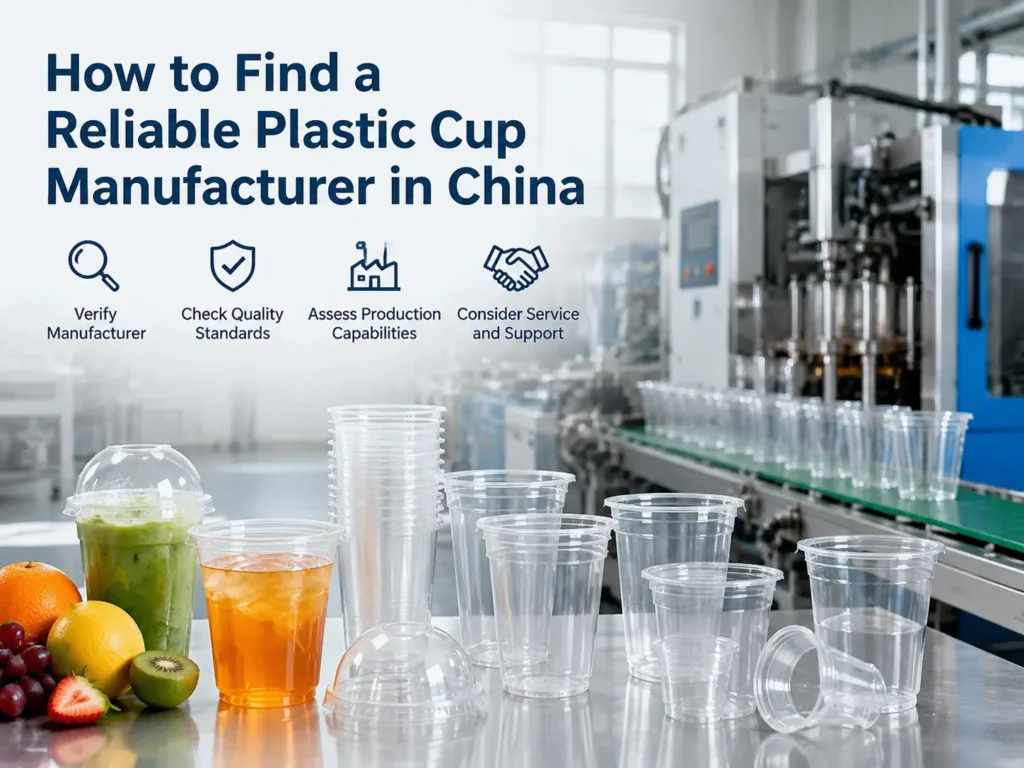
在中国寻找塑料杯制造商很容易. 寻找一家在最重要的时候不会危及您的供应链的塑料杯制造商是一个挑战. 以下是区分交易供应商和制造合作伙伴的七项检查.
红旗 1: 工厂只给您展示展厅
许多买家飞往中国, 参观工厂, 查看干净的生产车间, 并假设一切都很好. 经验丰富的采购代理对展厅参观了如指掌: 它遵循最新设备的完美路径, 避开原材料仓库, 并完全跳过质量控制实验室.
要求什么: 无脚本演练,包括:
- 原料接收区: 有组织吗, 贴上标签, 密封防潮? 原料存储杂乱意味着交叉污染风险和杯子质量不一致.
- 模具储藏室: 模具是否已编目, 涂油的, 并储存在气候受控的条件下? 模具维护是工厂整体纪律的先行指标.
- 质控实验室: 是否存在? 有工作设备吗? 没有内部实验室的工厂正在外包测试——这意味着他们不会测试每批产品.
- 生产线中班: 工人是否穿戴适当的个人防护装备? 质量检查表是否实时填写, 或坐着空白?
酸性测试: 要求查看上周的不合格报告. 每个工厂都有缺陷. 向您展示缺陷日志并解释其纠正措施的工厂比声称“从未出现质量问题”的工厂更值得信赖。
红旗 2: 他们的证书已过期或不完整
受监管市场中的食品接触包装需要特定认证. 塑料杯制造商在没有提供最新文件的情况下说“我们拥有所有证书”,这是您无法承担的风险.
独立验证的基本认证:
| 认证 | 它涵盖什么 | 如何验证 |
|---|---|---|
| BRCGS 包装 (A或A+) | 包装制造商的全面食品安全管理 | 检查 BRCGS 目录 在线的; 验证证书编号和有效期 |
| 国际标准化组织 22000 | 食品安全管理体系 | 索取证书, 然后与发证机构核实 (通标公司, 德国莱茵TUV, 天祥集团) |
| 国际标准化组织 9001 | 通用质量管理 | 与发证机构类似的验证流程 |
| BPI 可堆肥 (为解放军) | 美国市场的工业可堆肥性 | 搜索BPI认证产品目录 |
| DIN认证中心 / 在 13432 (为解放军) | 欧盟市场的工业可堆肥性 | DIN CERTCO 证书数据库 |
| GRS (全球回收标准) | RPET 产品的回收成分声明 | 纺织交易所目录 |
| 美国食品药品监督管理局 21 病死率 | 美国食品接触物质合规性 | 确认证书上列出的特定部分 |
关键区别: 国际标准化组织 22000 解决食品安全管理体系问题. BRCGS 进一步通过现场审核实际生产条件 — 了解为什么这很重要 食品级认证指南. 一家获得 BRCGS A+ 评级(最高等级)的供应商已通过突击审核, 这意味着检查员在没有警告的情况下出现并发现完全合规. 这是食品包装的黄金标准.
红旗 3: 他们无法解释他们的原材料供应链
可靠的塑料杯制造商知道质量早在工厂车间之前就开始了——在树脂供应商处. 问这三个问题:
- “谁为您提供 PET/PLA/PP 树脂?透明 可接受的答案指定特定制造商: 因多拉马, 远东新世纪, 自然工厂 (适用于 Ingeo PLA), 总能源Corbion (适用于 Luminy PLA). “我们从市场采购”之类的含糊答案意味着他们购买的是现货价格材料,无法追溯.
- “你们能提供每批次的材料证明吗??透明 食品级树脂供应商颁发分析证书 (COA) 每批次. 无法将每个生产批次映射回特定树脂批次 COA 的工厂存在可追溯性差距.
- “你们对回收内容的政策是什么?透明 对于原始级产品, 确认除非另有说明,否则消费后回收材料不会进入生产流程. 对于RPET产品, 确认回收薄片的来源以及是否符合 EFSA (欧洲) 或FDA (我们) 食品接触要求.
红旗 4: 他们的定价异常低
当报价进来时 20-30% 低于竞争对手, 这不是讨价还价——这是进一步调查的信号. 塑料杯制造商的成本压缩不能仅靠劳动力来实现; 它一定来自某个地方.
通常隐藏着不切实际的低价的地方:
- 薄壁规: 杯子看起来一样但用途 15-20% 材料较少. 结果: 杯子在中等抓握压力下塌陷或在盖子施加力下边缘破裂.
- 低档树脂: 替代优质品 宠物 使用未经食品接触认证的不合格材料或回收材料.
- 没有第三方测试: 工厂实际上并没有执行他们声称的认证. 存档的证书可能属于不同的公司或已过期.
- 无出口品质包装: 杯子是散装的,没有内纸箱保护, 到达目的地时出现磨损, 形变, 或污染.
合理的价格基准: 中国杯子制造业的劳动力约占 8-12% 单位成本. 原料是 55-65%. 如果报价低于市场的幅度超过劳动力份额, 差异来自于材料质量——任何食品服务买家都应该关注这一点.
红旗 5: 他们没有记录的容量规划流程
您供应商的其他客户直接影响您的交货. 一家工厂运行于 95% 下单时容量不允许有错误, 和假期, 机器故障, 或者来自其他客户的更大订单将导致您的生产被推迟.
要问的问题:
- “你们目前的产能利用率是多少??“ 多于 85%, 风险急剧增加.
- “有多少条生产线专门用于出口级杯子制造?” 某些生产线可能针对国内市场规格进行配置,不符合欧盟/美国要求.
- “你们的旺季是什么时候, 以及在此期间您如何管理容量?” 中国国内需求在重大节日和夏季饮料季节期间激增 - 相应地计划您的订单.
- “给我看看你的生产调度系统。”即使是分配清晰的白板也比“生产经理在脑子里处理”要好。
合同保护: 包含产能承诺条款,指定您的订单接收专用生产线时间, 不是“尽力而为”的安排. 包括对超过商定宽限期的延误的处罚条款.
红旗 6: 他们对目标市场的法规没有经验
在德国销售杯子与在沙特阿拉伯销售杯子不同, 这与在加州销售不同. 每个司法管辖区对食品接触材料都有具体要求, 标签, 和环境声明. 对所有出口订单一视同仁的供应商最终将引发海关扣留或违反监管规定——同样的严格程度也适用于 标志印刷质量控制.
验证市场特定要求:
| 市场 | 关键监管 | 具体要求 |
|---|---|---|
| 欧洲联盟 | 欧盟 10/2011 (塑料流延加工) | 总体迁移限制, 授权物质的特定迁移限制, 合规声明 (文档) 每批次需要 |
| 美国 | 美国食品药品监督管理局 21 病死率 177.1630 (宠物) | 食品接触通知或 GRAS 确定, 加州提案 65 印刷油墨合规性 |
| 英国 | 英国塑料FCM (英国脱欧后) | 需要英国 DoC, 英国授权物质清单 |
| 澳大利亚/新西兰 | 作为 2070 | 根据澳大利亚标准进行特定迁移测试 |
| 中东 | 地球同步轨道 / SASO标准 | PLA 有时需要清真认证 (植物源材料), 具体标签要求 |
要求供应商提供符合您的目标市场要求的 DoC 样本. 如果他们问“什么是 DoC,” 这就是你的答案.
红旗 7: 他们的沟通是被动的, 不主动
这是最难量化的危险信号,但通常最能预测供应商关系的困难. 取样和谈判阶段, 观察供应商如何沟通:
绿旗:
- 用数据回答技术问题, 不保证
- 主动标记潜在问题 (模具修改时间, 假期安排, 材料提前期)
- 无需询问即可发送生产更新
- 拥有会说英语的技术人员,可以直接讨论规格, 不仅仅是销售代表
危险信号:
- 每个答案都是“没问题”,没有具体细节
- 订单确认后沟通延迟增加
- 技术问题总是转发给“工程师”,周转时间长达数天
- 无法提供文档 (COA, 测试报告, 认证) 之内 48 请求时间
塑料杯制造商资质清单: 为您的供应商评分
将上述七项检查合并为每个潜在供应商的评分评估:
| 查看 | 重量 | 评分标准 |
|---|---|---|
| 工厂透明度 | 20% | 完全无脚本访问 = 10; 仅限展厅 = 3 |
| 认证状态 | 25% | BRC A+ 与当前文档 = 10; 没有证书= 0 |
| 原材料追溯 | 15% | 批次级 COA 映射 = 10; 没有可追溯性= 0 |
| 定价合理性 | 10% | 市场范围内 = 10; >25% 下面= 2 |
| 容量管理 | 15% | 具有容量数据的记录系统 = 10; 仅口头 = 2 |
| 监管知识 | 10% | 可以生成目标市场 DoC = 10; 不熟悉= 1 |
| 通讯质量 | 5% | 积极主动的 + 技术= 10; 反应性 + 模糊= 2 |
某工厂得分如下 60 此评估代表未受管理的风险. 分数为 80+ 表示您可以与之建立多年采购关系的供应商.
在亚斯泰, 我们在所有七个方面都以完全透明的方式运营——来自我们的 BRC A+ 认证 (突击审核等级) 我们 25 年一贯出口交付的记录. 但我们鼓励每个买家应用此清单,无论他们正在评估谁. 一家欢迎您审视的塑料杯厂家是一家没有什么可隐瞒的工厂. 探索我们的批发常见问题解答 或者 了解我们 25 年的制造传统.