
Alagang Hayop vs.. PP vs.. PLA Cups: Ang panghuli gabay para sa iyong maging
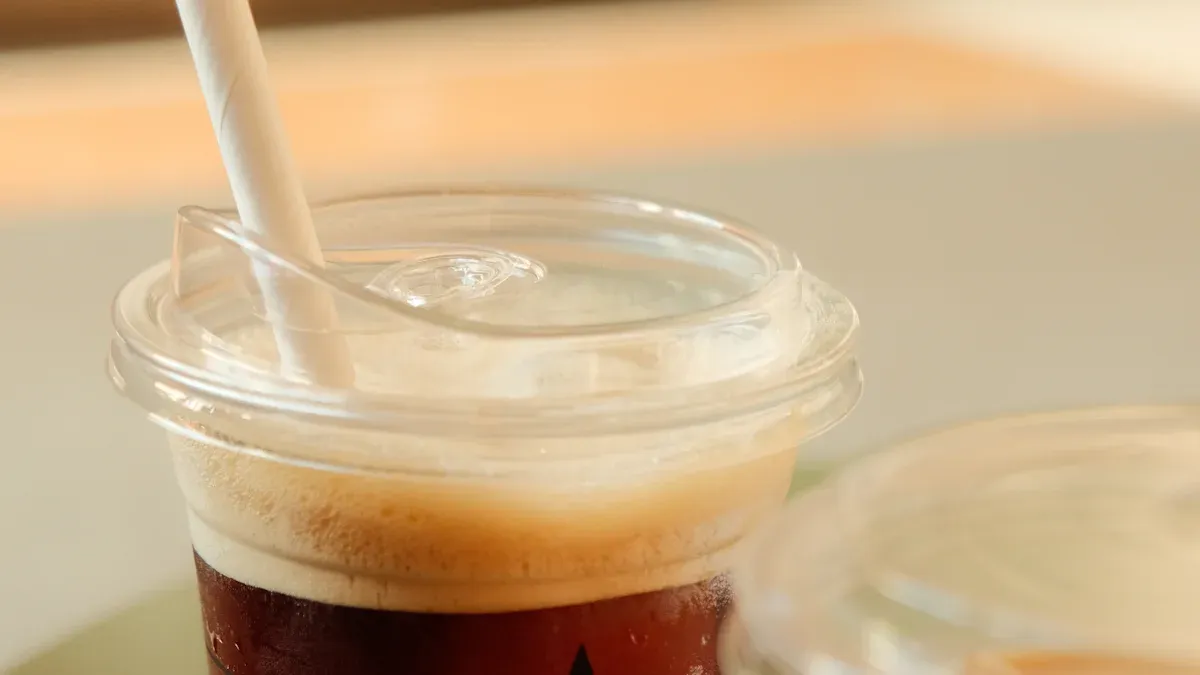
Kung nagpapatakbo ka ng negosyo ng inumin, malamang na gusto mo ng isang tasa na mukhang mahusay, tumatagal sa pamamagitan ng inumin, at akma sa iyong badyet. Para sa karamihan ng mga tindahan, Pinakamahusay na gumagana ang mga PET cup dahil ipinapakita nila ang iyong mga inumin na may malinaw na kristal na mga dingding at madaling humahawak ng malamig na inumin. Ngunit ang bawat tindahan ay natatangi. Kapag pumili ka sa pagitan ng PET, Pp, at PLA, isipin ang mga ito pangunahing salik:
Pag-andar ng produkto—tulad ng paglaban sa init o kalinawan.
Ang pinapahalagahan ng iyong mga customer—gastos o eco-friendly.
Iyong brand image—premium, praktikal, o berde.
Ang iyong badyet at kung ano ang mangyayari sa tasa pagkatapos gamitin.
Magagamit mo itong Ultimate Guide para mahanap ang tamang akma para sa iyong mga inumin at sa iyong mga customer.
Mga Pangunahing Takeaway
Pumili ng mga PET cup para sa malamig na inumin. Nag-aalok ang mga ito ng mahusay na kalinawan at madaling i-recycle, ginagawa itong perpekto para sa pagpapakita ng mga makukulay na inumin.
Mag-opt para sa PP cups kung naghahain ka ng parehong mainit at malamig na inumin. Ang mga ito ay nababaluktot, matibay, at cost-effective, nagbibigay ng malaking halaga para sa mga abalang tindahan ng inumin.
Pumili ng mga PLA cup para sa isang eco-friendly na opsyon. Ang mga ito ay compostable ngunit nangangailangan ng mga pang-industriyang pasilidad para sa tamang pagtatapon, kaya tiyakin ang access sa mga serbisyo ng composting.
Isaalang-alang ang iyong mga customer’ kagustuhan. Kung pinahahalagahan nila ang pagpapanatili, Maaaring pagandahin ng mga PLA cup ang iyong brand image, habang ang mga PET cup ay nagbibigay ng klasikong hitsura.
Gamitin ang ibinigay na checklist upang gabayan ang iyong pagpili ng tasa. Tinutulungan ka nitong suriin ang mga uri ng inumin, badyet, at epekto sa kapaligiran, pagtiyak ng matalinong pagpili para sa iyong negosyo.
Ultimate gabay: Mabilis na Paghahambing
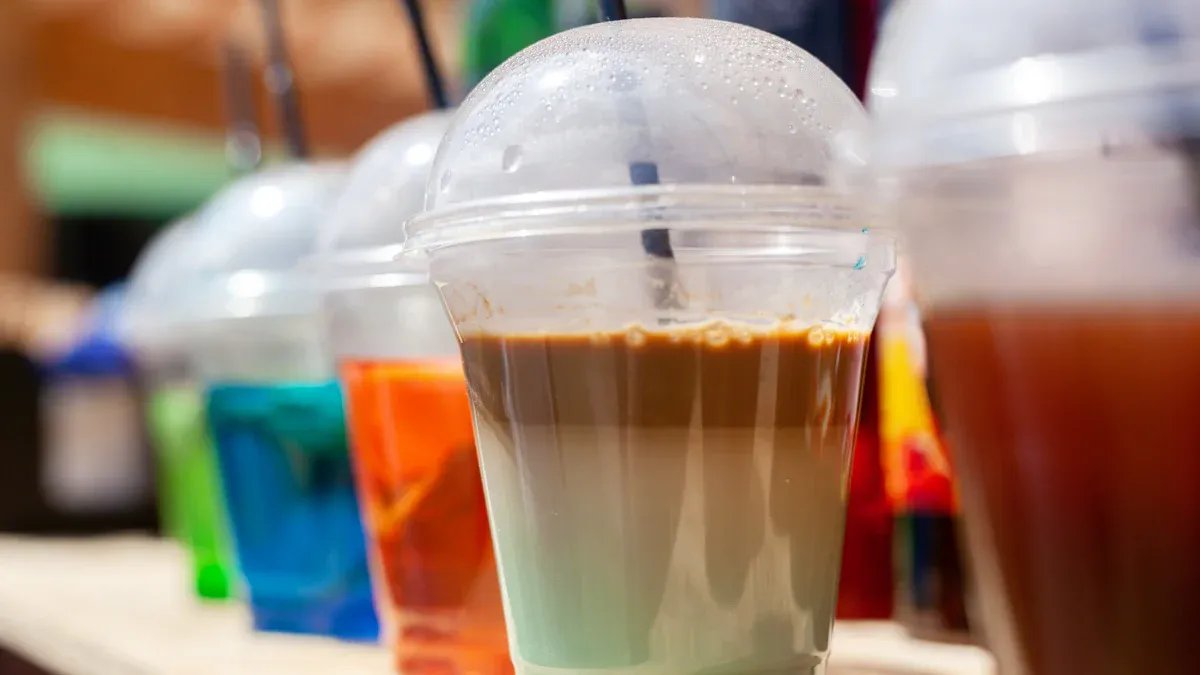
Talahanayan ng Pangkalahatang-ideya
Magsimula tayo sa isang mabilis na pagtingin sa kung paano PET, Pp, at nakasalansan ang mga tasa ng PLA. Ang talahanayang ito ay nagbibigay sa iyo ng magkatabi na paghahambing para makita mo ang mga pagkakaiba sa isang sulyap:
Feature/Property | Mga Alagang Hayop (Polyethylene Terephthalate) | Pp (Polypropylene) | PLA (Polylactic Acid) |
|---|---|---|---|
Optical na kalinawan | Mahusay / Parang salamin | Mabuti / Translucent-Opaque | Mahusay / High Gloss |
Panlaban sa init | Mababa (~160°F / 70° C) | Mataas (~248°F / 120° C) | Napakababa (~110°F / 45° C) |
Index ng Gastos | Baseline (1.0x) | ~0.9x–1.1x | ~1.5x–2.0x |
Recycle ID | #1 (Laganap) | #5 (Lumalaki) | #7 (Hindi Nare-recycle) |
Katapusan-ng-Buhay | Mechanical Recycling | Mechanical Recycling | Industrial Composting Lamang |
Tip: Gamitin ang talahanayang ito bilang iyong mabilis na sanggunian sa tuwing kailangan mong ihambing ang mga opsyon sa tasa para sa iyong negosyong inumin.
Mga pangunahing pagkakaiba
Kapag tumingin ka sa PET, Pp, at mga tasa ng PLA, mapapansin mong may kanya-kanyang lakas at kahinaan ang bawat isa. Narito ang kailangan mong malaman bago ka pumili:
Mga tasa ng alagang hayop
Ang mga PET cup ay nagbibigay sa iyo ng pinakamahusay na kalinawan. Ang iyong mga inumin ay mukhang maliwanag at sariwa, na perpekto kung gusto mong magpakita ng mga makukulay na smoothies o iced tea. Pinakamahusay na gumagana ang PET para sa malamig na inumin. Hindi nito kakayanin ang mga maiinit na likido dahil nagsisimula itong lumambot sa mas mababang temperatura. Makakakita ka ng mga PET cup na madaling i-recycle sa karamihan ng mga lungsod. Ang gastos ay nakaupo mismo sa gitna, para makakuha ka ng magandang halaga para sa iyong pera.Mga tasa ng PP
Pakiramdam ng mga tasa ng PP ay nababaluktot at malakas. Sila ay humahawak ng parehong mainit at malamig na inumin, kaya maaari mong gamitin ang mga ito para sa kape, TEA, o bubble tea. Ang kalinawan ay hindi kasing talas ng PET, ngunit mukhang maganda pa rin ito para sa karamihan ng mga inumin. Ang mga tasa ng PP ay karaniwang mas mura kaysa sa PET, na nakakatulong kung gusto mong makatipid sa mga supply. Ang pag-recycle para sa PP ay lumalaki, ngunit ito ay hindi pangkaraniwan gaya ng PET.PLA Cups
Ang mga tasa ng PLA ay namumukod-tangi sa pagiging compostable. Kung gusto mo ng eco-friendly na opsyon, Ang PLA ay isang magandang pagpili. Ang mga tasang ito ay mukhang makintab at malinaw, halos parang PET. Ngunit hindi kayang hawakan ng PLA ang init. Mawawalan ng hugis ang mga maiinit na inumin. Ang mga PLA cup ay nagkakahalaga ng higit sa PET o PP, at kailangan mo ng access sa pang-industriyang composting upang masira ang mga ito. Karamihan sa curbside recycling ay hindi tumatanggap ng PLA.
Narito ang isang mabilis na buod upang matulungan kang matandaan:
Mga Alagang Hayop: Pinakamahusay para sa malamig na inumin, top-notch na kalinawan, madaling i-recycle.
Pp: Mahusay para sa mainit at malamig na inumin, Kakayahang umangkop, budget-friendly.
PLA: Compostable, malinaw, ngunit para lamang sa malamig na inumin at nangangailangan ng espesyal na pag-compost.
Tandaan, narito ang Ultimate Guide para tulungan kang itugma ang tamang tasa sa iyong mga inumin at mga pangangailangan ng iyong mga customer. Isipin kung ano ang pinakamahalaga para sa iyong negosyo—ang hitsura, paglaban sa init, presyo, o pagpapanatili.
Kung gusto mo ng isang tasa na nagpapakita ng iyong mga inumin at gumagana para sa karamihan ng malamig na inumin, Ang PET ay isang solidong pagpipilian. Kung naghahain ka ng maiinit na inumin o gusto mo ng flexible na tasa, Maaaring mas kasya ang PP. Kung ang iyong mga customer ay higit na nagmamalasakit sa kapaligiran, Ang PLA ay maaaring ang paraan upang pumunta, hangga't mayroon kang mga pagpipilian sa pag-compost.
Ang Ultimate Guide ay nagbibigay sa iyo ng mga tool upang gawin ang pinakamahusay na pagpipilian para sa iyong negosyo ng inumin. Gamitin ang talahanayan at ang mga pangunahing puntong ito sa tuwing kailangan mo ng mabilis na pag-refresh.
Mga tasa ng alagang hayop
Kalinawan
Kapag gusto mong magmukhang pinakamahusay ang iyong mga inumin, Naghahatid ang mga PET cup. Malinaw ang mga dingding, para makita ng iyong mga customer ang bawat kulay at layer. Kung naghahain ka ng smoothies, Iced Tea, o mga soda, Pinapa-pop sila ng mga PET cup. Ang mala-salaming finish ay nakakatulong sa iyong mga inumin na maging kakaiba sa social media at sa iyong tindahan. Makakaasa ka sa mga PET cup para ipakita ang iyong mga nilikha.
Tibay
Ang mga PET cup ay matibay sa iyong kamay. Lumalaban sila sa mga bitak at dents, kahit may pumipisil sa kanila. Maaari mong isalansan ang mga ito nang hindi nababahala na masira. Ang mga PET cup ay nananatili nang maayos para sa malamig na inumin, ngunit nagsisimula silang lumambot sa init. Kung magbubuhos ka ng mainit na kape o tsaa, maaaring mawala ang hugis ng tasa. Para sa malamig na inumin, Ang mga PET cup ay mananatiling malakas mula sa unang paghigop hanggang sa huli.
Gastos
Gusto mong panatilihing mababa ang mga gastos, pero gusto mo din ng quality. Ang mga PET cup ay karaniwang nagkakahalaga sa pagitan $0.07 at $0.11 bawat unit kapag nag-order ka nang maramihan. Narito ang isang mabilis na pagtingin sa kung paano inihahambing ang PET sa iba pang mga uri ng tasa:
Uri ng Cup | Saklaw ng Presyo (bawat yunit) | Minimum na Dami ng Order |
|---|---|---|
Mga Alagang Hayop | $0.07 – $0.11 | 50,000 Mga piraso |
Pp | $0.01 – $0.03 | 5,000 Mga piraso |
PLA | $0.06 – $0.15 | 5,000 Mga piraso |
Ang mga PET cup ay nagkakahalaga ng higit sa PP cup ngunit mas mababa sa PLA cups. Kung nagpapatakbo ka ng isang abalang tindahan, Nag-aalok ang mga PET cup ng magandang balanse sa pagitan ng presyo at kalidad.
Pagpapanatili
Maaaring mahalaga sa iyo kung ano ang mangyayari sa iyong mga tasa pagkatapos gamitin. Ang mga PET cup ay nare-recycle, at tungkol sa 59% ma-recycle sa buong mundo. Malapit na iyon sa pagiging "malawakang na-recycle,” ngunit nananatili ang ilang mga hadlang:
Kontaminasyon mula sa mga katulad na materyales
Mga kumplikadong katangian ng materyal
Kakulangan ng naka-target na teknolohiya sa pagproseso
Mababang rate ng pagtanggap sa mga programa sa pag-recycle ng komunidad
Kung gusto mong suportahan ang pag-recycle, Ang mga PET cup ay isang solidong pagpipilian. Tumutulong ka na bawasan ang basura at ipakita sa iyong mga customer na mahalaga ka sa planeta.
Pinakamahusay na Paggamit
Ang mga PET cup ay pinakamahusay na gumagana para sa malamig na inumin. Nakikita mo sila kahit saan-softdrinks, Mga katas, Iced Tea, mga smoothies, bubble tea, at nanginginig. Gustung-gusto ng mga fast food chain at juice bar ang mga PET cup para sa mabilis na serbisyo at mahusay na presentasyon. Kung gusto mo ng isang tasa na mukhang matalim at akma sa karamihan ng malamig na inumin, Ang PET ay isang top pick sa Ultimate Guide.
Mga tasa ng PP
Kakayahang umangkop
Gusto mo ng tasang nakayuko ngunit hindi nababasag. Mga tasa ng PP ibigay mo lang yan. Pakiramdam nila ay malambot at nababaluktot sa iyong kamay. Kung pigain mo sila, tumalbog sila pabalik sa halip na pumutok. Ginagawa nitong mahusay ang mga ito para sa mga abalang tindahan kung saan maraming hinahawakan ang mga tasa. Madali mong mai-stack ang mga ito, at hindi sila magkadikit. Ang mga bata at matatanda ay parehong madaling hawakan.
Panlaban sa init
Ang mga tasa ng PP ay tumayo upang magpainit nang mas mahusay kaysa sa PET o PLA. Maaari mong gamitin ang mga ito para sa parehong mainit at malamig na inumin nang walang pag-aalala. Narito ang kailangan mong malaman tungkol sa kanilang mga limitasyon sa init:
Ang pinakamataas na temperatura para sa patuloy na paggamit ay tungkol sa 180°F (82° C).
Magsisimula ang paglambot sa paligid ng 230°F (110° C).
Nangyayari ang pagkatunaw sa humigit-kumulang 320°F (160° C).
Kung panatilihin mo ang mga ito sa itaas ng 212°F (100° C) sa mahabang panahon, maaari silang mag-warp o mawalan ng hugis.
Kaya, maaari mong ibuhos ang mainit na tsaa o kape sa isang tasa ng PP, at ito ay magtatagal. Iwasan lamang ang kumukulong likido sa mahabang panahon.
Gastos
Tinutulungan ka ng mga tasa ng PP na makatipid ng pera. Karaniwang mas mura ang mga ito kaysa sa PET at PLA cup, na maganda kung gusto mong panatilihing mababa ang iyong mga presyo. Narito ang isang mabilis na pagtingin sa kung paano inihambing ang mga tasa ng PP sa iba pang mga opsyon:
Uri ng Cup | Pinakamahusay Para sa | Pangunahing Kalamangan | Mga Ideal na Kaso ng Paggamit |
|---|---|---|---|
Mga tasa ng PP | Mainit & Mga Malamig na Inumin | Epektibo ang gastos | Mga Cafe, mga tindahan ng bubble tea |
Mga tasa ng alagang hayop | Mga Malamig na Inumin | Leak-proof | Bubble tea, Juice bar |
PLA Cups | Mga Eco-Friendly na Inumin | Biodegradable | Mga napapanatiling cafe, mga organikong bar |
Makakakuha ka ng maraming halaga sa mga tasa ng PP, lalo na kung naghahain ka ng pinaghalong mainit at malamig na inumin.
Pagpapanatili
Ang mga tasa ng PP ay maaaring i-recycle, ngunit hindi sa lahat ng dako. Ang ilang mga lungsod ay tinatanggap ang mga ito, habang ang iba ay hindi. Ang mga programa sa pag-recycle para sa PP ay lumalaki, kaya maaari kang makakita ng higit pang mga opsyon sa lalong madaling panahon. Kung gusto mong tumulong sa planeta, tingnan kung ang iyong lokal na recycling center ay tumatagal #5 mga plastik. Ang mga tasa ng PP ay gumagamit din ng mas kaunting plastik kaysa sa ilang iba pang mga uri, na nakakatulong na mabawasan ang basura.
Pinakamahusay na Paggamit
Nakikita mo ang mga tasa ng PP sa mga tindahan ng bubble tea, Mga Cafe, at mga lugar na naghahain ng mainit at malamig na inumin. Gumagana sila nang maayos para sa milk tea, iced coffee, mga smoothies, at kahit mainit na tsokolate. Kung gusto mo ng isang tasa na ginagawa ang lahat, Ang PP ay isang matalinong pagpili. Inirerekomenda ng Ultimate Guide ang mga PP cup para sa mga tindahan na nangangailangan ng flexibility, paglaban sa init, at magandang presyo.
PLA Cups
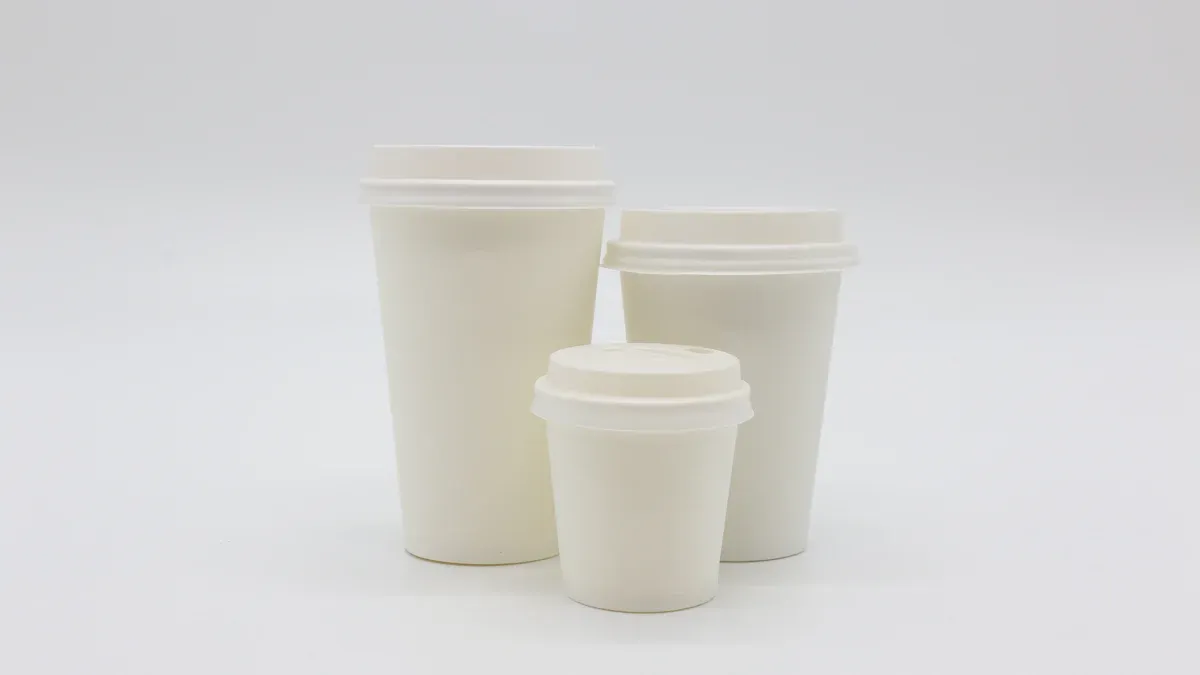
Compostability
Namumukod-tangi ang mga tasa ng PLA dahil gawa sila sa mga halaman, hindi mantika. Maaari mong isipin na nangangahulugan ito na madali silang masira. Sa realidad, Ang pag-compost ng mga PLA cup ay nakakalito. Kailangan nila ng mga espesyal na pasilidad sa pag-compost ng industriya para masira. Karamihan sa mga home compost bin ay hindi masyadong mainit. Narito ang ilang mga katotohanan na dapat mong malaman:
Tungkol lamang sa 3% ng US ay may access sa mga pang-industriyang composting facility.
Karamihan sa mga tasa ng PLA ay napupunta sa mga landfill, hindi compost tambak.
Maraming mga compostable na plastik ang inaayos at ipinadala sa mga landfill sa halip na i-compost.
Tandaan: Kung ang iyong lungsod ay walang industrial composting, Ang mga tasa ng PLA ay hindi masisira nang mas mabilis kaysa sa regular na plastik.
Tibay
Gusto mo ng tasa na nananatili habang ginagamit. Ang mga tasa ng PLA ay matibay at lumalaban sa mga bitak. Gumagana sila nang maayos para sa malamig na inumin, kahit may yelo. Maaari mong iimbak ang mga ito sa freezer sa maikling panahon, at hindi sila magiging malutong. Gayunpaman, Ang mga tasa ng PLA ay hindi gusto ang init. Ang mga maiinit na inumin ay magpapalambot sa kanila at mawawalan ng hugis. Manatili sa malamig na inumin para sa pinakamahusay na mga resulta.
Gastos
Ang mga PLA cup ay mas mahal noon kaysa sa mga regular na plastic cup. Ngayon, papalapit na ang presyo. Maaari kang magbayad ng kaunti pa para sa PLA, ngunit lumiliit ang agwat dahil mas maraming tao ang pumili ng mga opsyong eco-friendly. Narito ang maaari mong asahan:
Ang mga tasa ng PLA ay sa pangkalahatan ay maihahambing sa presyo sa tradisyonal na mga tasang plastik.
Minsan, mas malaki ang gastos nila.
Habang lumalaki ang demand, Patuloy na nagiging abot-kaya ang mga PLA cup.
Pagpapanatili
Kung gusto mong babaan ang iyong carbon footprint, Tumutulong ang mga tasa ng PLA. Ang paggawa ng mga PLA cup ay naglalabas ng mas kaunting greenhouse gas kaysa sa paggawa ng PET o PP cup. Narito kung paano sila naghahambing:
Naglalabas ang PLA 22% mas kaunting greenhouse gases kaysa PET.
Ang produksyon ng PLA ay lumilikha ng 50%–70% na mas kaunting CO2 kaysa sa tradisyonal na mga plastik.
Ang bawat kilo ng PLA ay gumagawa ng tungkol sa 3.5 kg ng CO2.
Tip: Ang mga PLA cup ay isang mas berdeng pagpipilian kung nagmamalasakit ka sa pagbabago ng klima, ngunit kung sila ay na-compost sa tamang paraan.
Pinakamahusay na Paggamit
Dapat mong gamitin ang mga tasa ng PLA para sa malamig na inumin. Nagniningning sila sa mga iced tea, mga smoothies, malamig na brews, at mga juice. Ang mga tasa ng PLA ay mananatiling malakas na may yelo at nasa refrigerator. Hindi sila madaling tumagas o pumutok. Maaari mo ring gamitin ang mga ito para sa panandaliang imbakan ng freezer. Tandaan mo lang, huwag gumamit ng mga tasa ng PLA para sa maiinit na inumin. Hindi sila ginawa para sa init.
Mahusay para sa mga iced na inumin, mga smoothies, at malamig na brews.
Panatilihin ang kanilang hugis na may yelo at sa refrigerator.
Ligtas sa freezer para sa maikling panahon.
Kung gusto ng iyong mga customer ng mga eco-friendly na tasa at naghahain ka ng malamig na inumin, Ang mga PLA cup ay isang matalinong pagpili—siguraduhin lamang na mayroon kang access sa pang-industriyang pag-compost.
Matrix ng Paghahambing
Pagganap
Gusto mo ng mga tasa na angkop para sa iyong inumin. Ang mga PET cup ay nagbibigay sa iyo ng pinakamalinaw na hitsura. Ang iyong mga inumin ay kumikinang sa mga dingding na parang salamin. Pakiramdam ng mga tasa ng PP ay nababaluktot at malakas. Sila ay humahawak ng parehong mainit at malamig na inumin. Ang mga tasa ng PLA ay mukhang makintab at malinaw, ngunit gumagana lamang sila para sa malamig na inumin. Kung kailangan mo ng mabilis na tabi-tabi, tingnan ang talahanayang ito:
Tampok | Mga Alagang Hayop | Pp | PLA |
|---|---|---|---|
Kalinawan | Mahusay | Mabuti | Mahusay |
Panlaban sa init | Mababa | Mataas | Napakababa |
Kakayahang umangkop | Katamtaman | Mataas | Katamtaman |
Pinakamahusay Para sa | Mga Malamig na Inumin | Mainit & Malamig | Mga Malamig na Inumin |
Ginagamit din ng mga PET cup ang pinakamababang enerhiya at lumikha ng pinakamababang greenhouse gas emissions sa panahon ng produksyon.
Gastos
Lagi mong binabantayan ang bottom line mo. Ang mga tasa ng PP ay kadalasang nagkakahalaga ng pinakamababa. Ang mga PET cup ay nakaupo sa gitna. Ang mga tasa ng PLA ay kadalasang pinakamamahal, ngunit ang mga presyo ay lumalapit. Narito ang isang mabilis na hitsura:
Pp: Karamihan sa budget-friendly. Mahusay para sa mataas na dami ng mga tindahan.
Mga Alagang Hayop: Gitnang hanay. Magandang halaga para sa kalidad at hitsura.
PLA: Mas mataas na presyo. Pinakamahusay kung gusto mong ipakita ang iyong mga berdeng halaga.
Pagpapanatili
May pakialam ka sa planeta. Ang mga tasa ng PLA ay may a mas maliit na environmental footprint kaysa PET o PP. Ang paggawa ng mga PLA cup ay lumilikha ng mas kaunting greenhouse gas. Maaaring maging compostable o recyclable ang mga PLA cup, ngunit sa mga espesyal na pasilidad lamang. Ang mga PET cup ay madaling i-recycle sa maraming lugar. Ang mga PP cup ay gumagamit ng mas kaunting plastic at nagiging mas madaling i-recycle. Narito ang isang talahanayan upang ihambing:
Materyal | Timbang ng tasa (g) | GHE (kg CO2) | Pangwakas na Pagtapon |
|---|---|---|---|
Mga Alagang Hayop | 15.5 | 830 | Landfill/Recycling |
Pp | 13.0 | N/A | Landfill/Recycling |
PLA | 14.0 | 28 | Compost/Tambakan ng basura |
Tandaan: Ang mga tasa ng PLA ay tumutulong sa pagpapababa ng mga emisyon, ngunit kung mayroon kang access sa pang-industriyang pag-compost.
Pagdama ng Customer
Napansin ng iyong mga customer kung ano ang iyong ginagamit. Marami ang nakakakita PLA bilang pinakaberde na pagpipilian. Ang ilan ay hindi sigurado kung talagang nakakatulong ito sa kapaligiran. Gusto ng mga tao na makakita ng mga recycling o composting bin. Nagtitiwala sila sa kaya nilang kontrolin. Karamihan sa mga customer ay nagmamalasakit sa hitsura at pakiramdam ng tasa. Kung gusto mong palakasin ang iyong eco-friendly na imahe, Tumutulong ang mga tasa ng PLA. Kung gusto mo ng classic, malinaw na tingin, Panalo ang PET cups. Ang mga tasa ng PP ay gumagana nang maayos para sa mga tindahan na naghahain ng parehong maiinit at malamig na inumin.
Tip: Ipakita sa iyong mga customer kung paano itapon ang kanilang mga tasa. Nakakatulong ito sa kanila na maging maganda ang pakiramdam tungkol sa kanilang mga pagpipilian.
Gabay sa Desisyon
Listahan ng tseke
Ang pagpili ng tamang tasa para sa iyong negosyo ng inumin ay maaaring makaramdam ng labis. Gusto mong gumawa ng matalinong pagpili na akma sa iyong mga inumin, iyong tatak, at mga halaga ng iyong mga customer. Narito ang isang simpleng checklist upang matulungan kang magpasya:
Anong mga inumin ang pinakamadalas mong inihain?
Kung madalas kang naghahain ng malamig na inumin tulad ng smoothies o iced tea, Pinakamahusay na gumagana ang mga PET o PLA cup.
Kung nag-aalok ka ng maiinit na inumin, tulad ng kape o tsaa, Ang mga tasa ng PP ay isang mas ligtas na taya.
Gaano kahalaga ang cup clarity para sa iyong brand?
Gusto mong magmukhang maliwanag at makulay ang iyong mga inumin? Ang PET at PLA cups ay nagbibigay sa iyo ng mala-salaming kinang.
Kung hindi gaanong mahalaga ang kalinawan, Ang mga tasa ng PP ay maganda pa rin at mas mura.
May pakialam ba ang iyong mga customer sa pagpapanatili?
Kung humingi ang iyong mga customer ng mga opsyong eco-friendly, Ipinapakita ng mga PLA cup na nagmamalasakit ka sa planeta.
Ang mga PET cup ay madaling i-recycle sa maraming lugar, na tumutulong din sa iyong berdeng larawan.
Ang mga PP cup ay gumagamit ng mas kaunting plastic at nagiging mas madaling i-recycle.
Ano ang iyong badyet?
Ang mga tasa ng PP ay kadalasang nagkakahalaga ng pinakamababa. Tinutulungan ka nilang makatipid kung nagbebenta ka ng maraming inumin.
Ang mga PET cup ay nagkakahalaga ng kaunti ngunit nag-aalok ng mahusay na kalidad at hitsura.
Ang mga tasa ng PLA ay kadalasang pinakamamahal, ngunit ang mga presyo ay bumababa.
Ano ang mangyayari sa tasa pagkatapos gamitin?
Madali bang i-recycle o i-compost ng iyong mga customer ang tasa?
Ang iyong lungsod ba ay may pang-industriya na pag-compost para sa mga tasa ng PLA?
Ang mga recycling bin ay madaling mahanap sa iyong lugar?
Paano mo gustong makita ang iyong tatak?
Ang mga PET cup ay nagbibigay ng isang premium, malinaw na tingin.
Pakiramdam ng mga tasa ng PP ay praktikal at nababaluktot.
Ipinapakita ng mga PLA cup na nagmamalasakit ka sa kapaligiran.
Tip: I-print ang checklist na ito at panatilihin itong madaling gamitin kapag nakikipag-usap ka sa iyong supplier ng tasa. Tinutulungan ka nitong magtanong ng mga tamang tanong at maiwasan ang mga sorpresa.
Mga Pagkakamali na Dapat Iwasan
Gusto mong iwasan karaniwang pagkakamali na maaaring magdulot sa iyo ng pera o makapinsala sa iyong tatak. Maraming mga negosyo ng inumin ang nagkakaproblema dahil hindi nila iniisip ang kanilang mga pagpipilian sa tasa. Narito ang ilang mga pagkakamali na dapat bantayan, kasama ng kung ano ang maaaring mangyari kung gagawin mo ang mga ito:
Uri ng Materyal | Mga Karaniwang Pagkakamali | Mga kahihinatnan |
|---|---|---|
Salamin | Pagpili ng mabibigat at marupok na tasa na madaling masira | Mas mataas na gastos sa pagpapadala at mas maraming sirang tasa |
aluminyo | Pagpili ng mga tasa na mahirap hanapin dahil sa mga kakulangan | Mga pagkaantala sa pagkuha ng mga tasa at nauubusan ng stock |
Plastik | Hindi sinusuri ang mga pagkakaiba sa gastos sa pagitan ng PET, Pp, at PLA | Gumagastos ng sobra o nauuwi sa hindi magandang kalidad ng mga tasa |
Hatiin natin ang mga ito:
Maling pagpili ng materyal para sa iyong inumin. Kung gumagamit ka ng PET o PLA cup para sa maiinit na inumin, maaari silang matunaw o mawalan ng hugis. Maaaring maibuhos ng iyong mga customer ang kanilang mga inumin o masunog.
Hindi pinapansin ang mga opsyon sa pag-recycle o pag-compost. Kung bibili ka ng mga PLA cup ngunit walang pang-industriyang composting ang iyong lungsod, ang mga tasa ay napupunta sa landfill. Ang iyong mga berdeng pagsisikap ay nasasayang.
Nakatuon lamang sa presyo. Ang mga murang tasa ay maaaring pumutok, tumagas, o magmukhang mapurol. Maaari kang makatipid ng pera sa una, ngunit ipagsapalaran mo ang hindi nasisiyahang mga customer at isang masamang reputasyon.
Hindi iniisip ang tungkol sa pagpapadala at pag-iimbak. Ang mga glass cup ay mukhang maganda ngunit madaling masira at mas mahal ang pagpapadala. Maaaring mahirap hanapin ang mga tasang aluminyo kung may kakulangan.
Pag-order sa maling laki o istilo. Kung ang iyong mga tasa ay hindi magkasya sa iyong mga takip o straw, nagsasayang ka ng pera at binigo ang iyong mga tauhan.
Tandaan: Palaging subukan ang mga bagong tasa gamit ang iyong mga aktwal na inumin bago ka bumili ng maramihan. Tanungin ang iyong mga tauhan at mga customer kung ano ang kanilang iniisip. Ang kaunting pagsubok ngayon ay makakapagtipid sa iyo ng maraming problema sa ibang pagkakataon.
Sa pamamagitan ng pagsunod sa checklist na ito at pag-iwas sa mga pagkakamaling ito, itinakda mo ang iyong negosyo sa inumin para sa tagumpay. Kumuha ka ng mga tasa na kasya sa iyong inumin, ang iyong badyet, at ang iyong brand—habang pinananatiling masaya ang iyong mga customer.
Alam mo na ngayon ang lakas ng PET, Pp, at mga tasa ng PLA. Ang mga PET cup ay kumikinang para sa malalamig na inumin at mukhang mala-kristal. Ang mga tasa ng PP ay gumagana nang maayos para sa mga maiinit na inumin at nababaluktot sa pakiramdam. Tinutulungan ka ng mga PLA cup na ipakita ang iyong berdeng bahagi, lalo na sa malamig na inumin.
Kapag pumili ka ng isang tasa, isipin ang tungkol sa iyong mga layunin sa negosyo at kung ano ang gusto ng iyong mga customer. Maraming mga tindahan ngayon ang gumagamit eco-friendly na mga tasa, tulad ng mga biodegradable o recyclable, upang matugunan ang mga layunin sa pagpapanatili.
Isaalang-alang ang laki ng iyong tindahan, lokasyon, at mga opsyon sa basura bago pumili ng mga compostable o recyclable na tasa.
Ang mga de-kalidad na biodegradable na tasa ay dapat pa ring pakiramdam na masarap gamitin.
Mas maraming tindahan ngayon ang pipiliin napapanatiling mga materyales dahil sa mga bagong tuntunin at pangangailangan ng customer.
Gamitin ang checklist at matrix para matulungan kang magpasya. Susunod, makipag-usap sa iyong supplier tungkol sa pinakamahusay na tasa para sa iyong mga inumin at brand.
FAQ
Maaari ba akong gumamit ng PET cups para sa maiinit na inumin?
Hindi, hindi ka dapat gumamit ng PET cup para sa maiinit na inumin. Ang mga PET cup ay maaaring lumambot at mawala ang kanilang hugis sa init. Manatili sa malamig na inumin tulad ng iced tea o smoothies para sa mga PET cup.
Ang mga tasa ng PLA ay talagang nabubulok sa bahay?
Ang mga tasa ng PLA ay nangangailangan ng espesyal na pang-industriya na pag-compost. Ang iyong home compost pile ay hindi magiging mainit para masira ang mga ito. Suriin kung ang iyong lungsod ay may tamang composting facility bago pumili ng PLA cups.
Aling tasa ang pinakamainam para sa bubble tea?
Maaari mong gamitin ang parehong PET at PP cup para sa bubble tea. Ang mga PET cup ay nagpapakita ng mga kulay ng iyong inumin. Ang mga tasa ng PP ay mas gumagana para sa mainit o malamig na bubble tea at nababaluktot sa pakiramdam.
Paano ko malalaman kung ang aking mga tasa ay nare-recycle?
Hanapin ang simbolo at numero ng pag-recycle sa ilalim ng tasa. Ang PET ay #1, Ang PP ay #5. Karamihan sa mga lungsod ay nagre-recycle ng PET. Ang ilang mga recycle PP. Karaniwang hindi mapupunta ang PLA sa mga regular na recycling bin.