Суши Контейнер: 7 Проверенные чеки для оптовых покупателей
Если вы заменяете поврежденные упаковки на вынос, непоследовательные крышки, или поздние поставки, selecting a sushi container supplier is a purchasing decision—not a packaging afterthought. В нашем 24+ years of food-packaging manufacturing, we help restaurant groups, wholesalers, and meal-delivery operators match container geometry, материал, sealing performance, and supply capacity to the way their kitchens actually work.
How Should a Sushi Container Match Your Delivery Workflow?
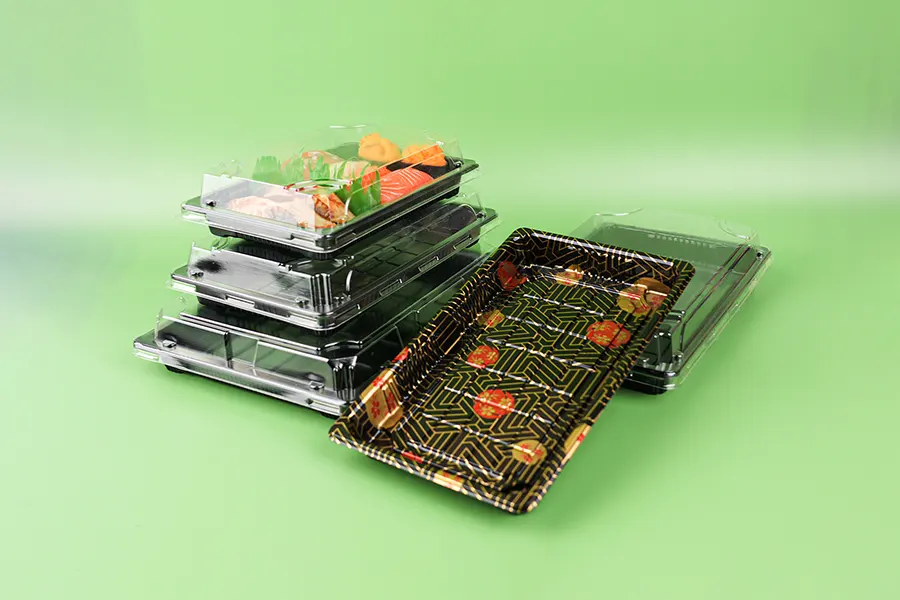
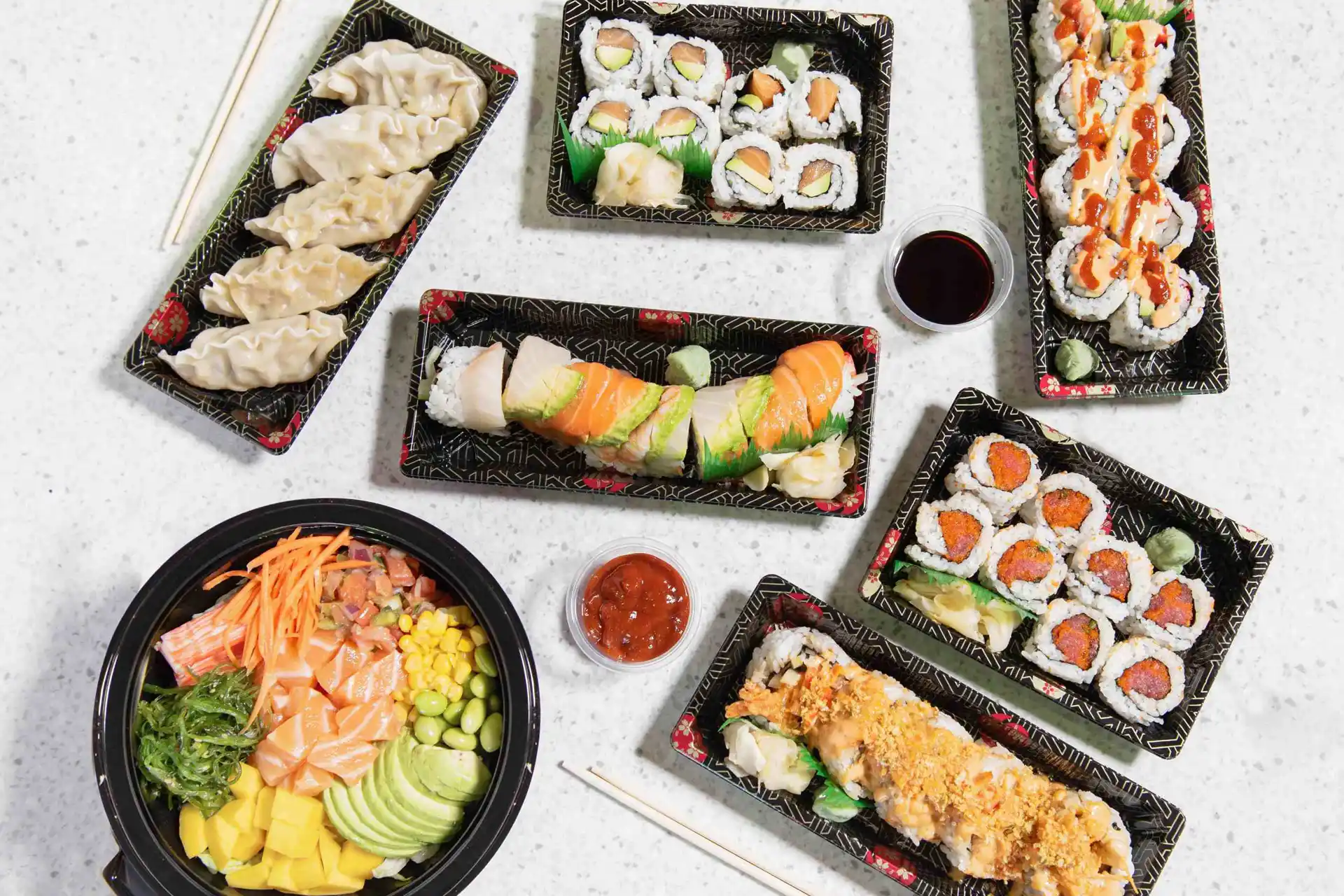
A sushi container must protect presentation during stacking, cold storage, loading, and last-mile delivery. We start with the menu: narrow rolls need anti-shift geometry, mixed platters need separation, and sauces require a lid interface that closes consistently without crushing delicate toppings.
For high-volume operators, the real cost is not the unit price alone. A lid that flexes, a tray that warps, or a size that wastes courier space can create remakes, refunds, and slower packing lines, so we recommend testing the complete container-and-lid set under your actual delivery conditions.
Which Material and Structure Should a Sushi Container Use?
Clear PET is often selected when product visibility drives the purchase decision, because customers can see the arrangement before opening the pack. Our PET, ПП, НОАК, РПЭТ, sushi box, and food-tray portfolio lets buyers compare clarity, rigidity, temperature requirements, and sustainability claims instead of forcing one material into every application.
We review wall structure, corner strength, hinge or lid fit, stacking height, and the contact surface around the rim before confirming a sushi container дизайн. A practical sample test should include repeated opening, chilled storage, a filled-stack test, and a delivery simulation with the same labels and secondary cartons your team will use.
| Buyer priority | What to evaluate | Yasitai recommendation |
|---|---|---|
| Product visibility | Ясность, крышка подходит, condensation behavior | Use clear PET samples with the actual menu |
| Stacking efficiency | Footprint, nesting, carton utilization | Confirm filled-stack height before tooling |
| Environmental claim | Recycled or compostable evidence | Request GRS, БПИ, or DIN documentation for the relevant material |
| Безопасность пищевых продуктов | Прослеживаемость, hygiene, audit controls | Review BRC A+, Iso 22000, and SGS records |
What Quality Checks Should You Require Before Ordering?
We operate from a 30,000 м² объект с более чем 60 production machines and a monthly output of 300 миллион штук. That scale matters when a distributor needs the same dimensions and lid fit across repeat orders, but scale only creates value when the factory controls incoming material, forming, trimming, inspection, and packing.
Our BRC A+ food-safety rating is supported by ISO9001, ИСО22000, СГС, БПИ, ОТ, and GRS capabilities across the wider product portfolio. BPI and DIN apply to the relevant compostable PLA range, while GRS documentation is the evidence buyers should request for recycled-content claims; a responsible supplier keeps those claims material-specific.
Before approving a sushi container, ask for dimensional tolerances, closure samples, material declarations, и образец предотгрузочной проверки. We also recommend measuring the filled package after chilled storage, because a design that looks correct empty may behave differently when condensation, food weight, and stacked transport are added.
How Can a Factory Keep Wholesale Sushi Container Supply Stable?
Stable supply begins with a documented specification, not a product photo. We confirm the item code, размеры, материал, lid pairing, carton quantity, pallet pattern, print requirements, and acceptable tolerance before mass production, giving purchasing and quality teams one reference point for every shipment.
Our automated production system and 300-million-piece monthly capacity help us absorb seasonal volume for chains and distributors. We still plan production against the buyer’s forecast, because dependable delivery depends on approved samples, raw-material availability, время проверки, and realistic shipping windows—not capacity claims alone.
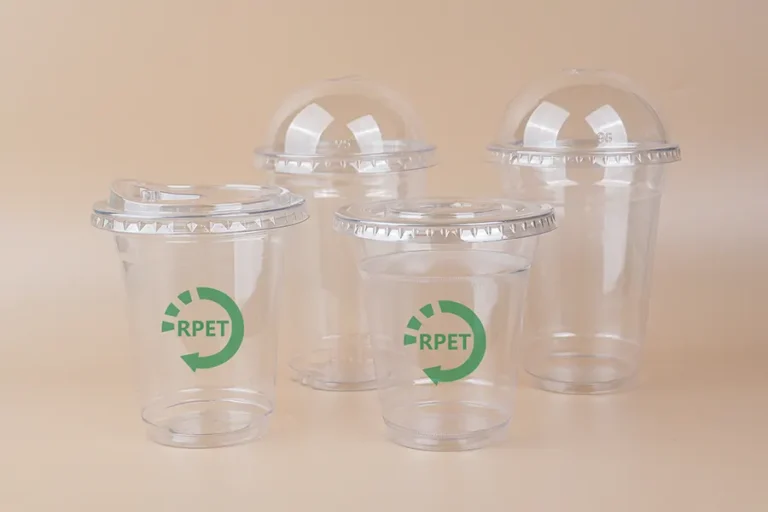
For broader selection, review our sushi container product category, compare related GRS-oriented RPET cup options, and read our takeaway sushi packaging guide. These pages help procurement teams connect a single container choice with the wider packaging program.
Контрольный список аудита поставщика: 5 Документы, которые необходимо запросить перед подписанием заказа на поставку
- Food-contact declaration: Verify the exact resin, additives, and intended use for the container and lid.
- BRCGS or equivalent food-safety certificate: Confirm the scope and current audit status, not only the logo on a brochure.
- Dimensional inspection report: Check rim, hinge, cavity, and stacking measurements against the approved sample.
- Material traceability record: For RPET or PLA claims, match batch documentation to the relevant GRS, БПИ, or DIN evidence.
- Pre-shipment inspection sample: Validate closure, появление, carton count, and label information before dispatch.
For an independent reference on packaging safety systems, review the BRCGS Packaging Materials standard. Use the same document-first method with any supplier, then compare how clearly each factory can connect its certificate scope to your actual sushi container order.
Часто задаваемые вопросы
вопрос: Can Yasitai customize a sushi container for a restaurant chain?
Да, we support OEM and ODM development for dimensions, cavities, lid pairing, and branding requirements. Our engineering team confirms the sample against stacking and delivery conditions, and buyers should approve a filled-package test before tooling.
вопрос: How do I verify an environmental claim on a food container?
Ask for material-specific evidence rather than a general eco statement. We provide relevant GRS records for recycled content and BPI or DIN documentation for the applicable compostable PLA line, while the buyer should verify certificate scope and product identity.
вопрос: What should I test before buying sushi containers wholesale?
Test closure, nesting, filled-stack strength, chilled storage, конденсация, and delivery handling with the actual food load. We recommend recording dimensions and visual results so the approved sample becomes the reference for every repeat shipment.
вопрос: Can a large order keep the same quality across batches?
It can when the supplier controls material and dimensions against an approved specification. Our 60-plus-machine operation and 300-million-piece monthly capacity are paired with documented production and inspection steps, which buyers should confirm through sample reports.
Ready to test a sushi container against your menu, delivery route, and wholesale forecast? Message our Yasitai team on WhatsApp for sample guidance, material documentation, and a factory-direct quotation tailored to your packaging specification.