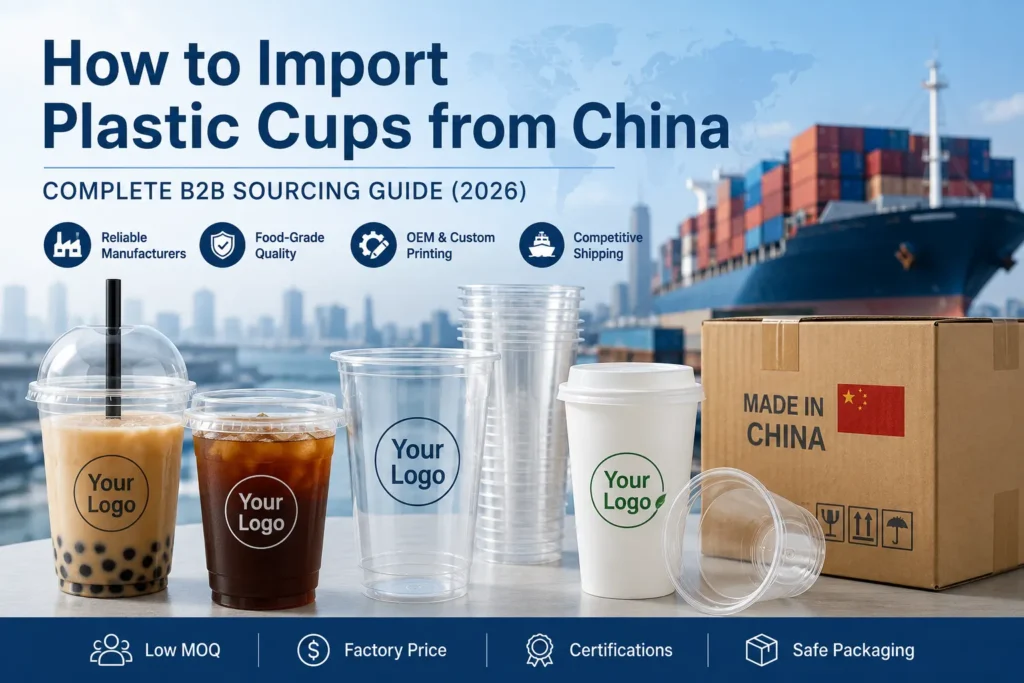
So importieren Sie Plastikbecher aus China: Komplette B2B Sou
China bleibt der weltweit größte Produktionsstandort für Einweg-Plastikbecher, Belieferung von Großhändlern, Restaurantketten, Kaffeemarken, Bubble-Tea-Läden, Supermärkte, und Verpackungshändler weltweit.
Für internationale Käufer, Der Import von Plastikbechern aus China bietet erhebliche Kostenvorteile und flexible OEM-Anpassungsmöglichkeiten. Jedoch, Beim erfolgreichen Sourcing geht es nicht nur darum, den niedrigsten Preis zu finden. Materialauswahl, Lebensmittelkonformität, Druckqualität, Produktionsvorlaufzeiten, und Versandeffizienz wirken sich alle direkt auf Ihre Rentabilität aus.
Dieser Leitfaden erklärt, wie man Plastikbecher professionell aus China importiert und dabei häufige Fehler bei der Beschaffung vermeidet.
Arten von Plastikbecher Wird üblicherweise aus China importiert
Bevor Sie einen Lieferanten auswählen, Käufer müssen die verschiedenen Arten von Plastikbechern verstehen, die auf dem Markt erhältlich sind.
PET-Kunststoffbecher
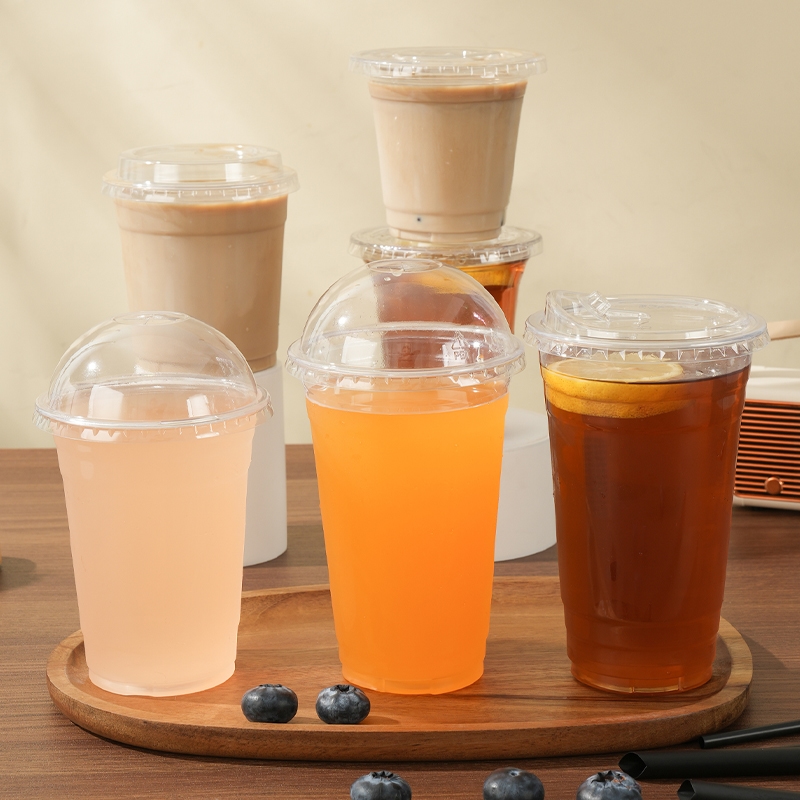
PET-Becher sind die am weitesten verbreitete Variante für Kaltgetränke.
Sie werden häufig verwendet für:
- Bubble Tea
- Smoothies
- Eiskaffee
- Saftgetränke
- Früchtetee
Vorteile von PET-Bechern
- Hohe Transparenz
- Erstklassiges Erscheinungsbild
- Leicht
- Gute Rissbeständigkeit
- Hervorragend geeignet für Kaltgetränke
Gängige Größen
- 12oz
- 16oz
- 20oz
- 24oz
PET-Becher erfreuen sich vor allem bei Bubble-Tea-Marken und Café-Ketten großer Beliebtheit, da sie die Produktpräsentation verbessern.
Jedoch, Für Getränke mit hoher Temperatur sind PET-Becher nicht geeignet.
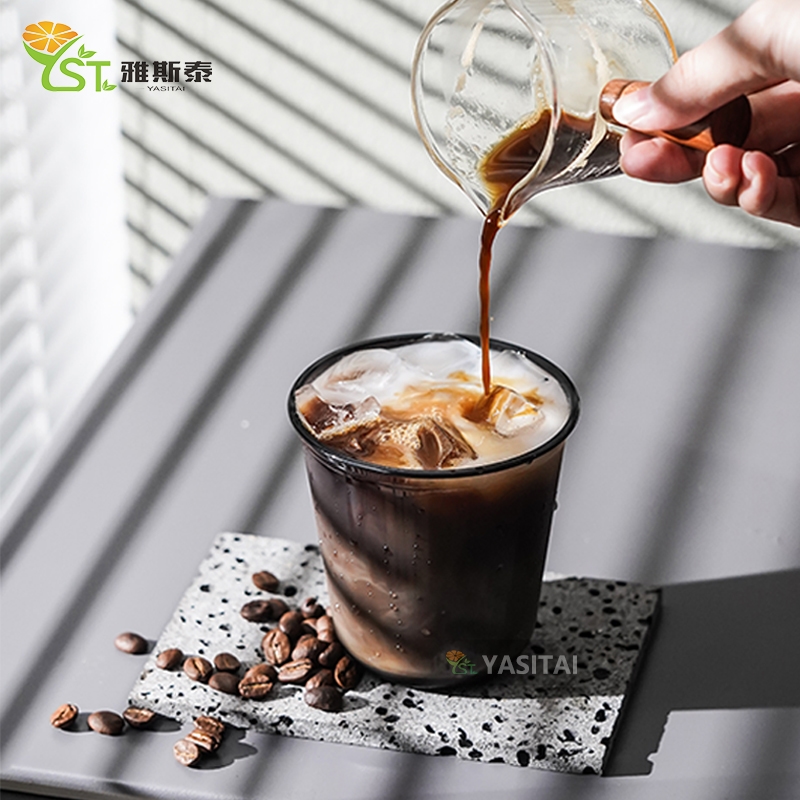
PP-Kunststoffbecher
PP (Polypropylen) Becher sind hitzebeständiger als PET-Becher.
Sie werden häufig verwendet für:
- Heiße Getränke
- Ich bin Milch
- Heißer Kaffee
- Instantgetränke
Vorteile von PP-Bechern
- Bessere Hitzebeständigkeit
- Geringere Materialkosten
- Langlebige Struktur
- In einigen Anwendungen mikrowellengeeignet
Im Vergleich zu PET-Bechern, PP-Becher haben normalerweise eine geringere Transparenz, aber eine bessere Temperaturtoleranz.
Biologisch abbaubare PLA-Becher
Da die Umweltvorschriften in Europa und Nordamerika strenger werden, PLA-Becher erfreuen sich immer größerer Beliebtheit.
PLA-Becher werden aus pflanzlichen Materialien hergestellt und als umweltfreundliche Alternative zu herkömmlichen Kunststoffen vermarktet.
Gemeinsame Käufer
- Umweltbewusste Café-Marken
- Händler für nachhaltige Verpackungen
- Europäische Importeure
- Premium-Getränkeketten
Wichtige Überlegung
PLA-Becher haben das im Allgemeinen:
- Höhere Materialkosten
- Geringere Hitzebeständigkeit
- Strengere Lageranforderungen
Jedoch, Sie orientieren sich an globalen ESG- und Nachhaltigkeitstrends.
Spritzgegossene vs. thermogeformte Becher
Viele ausländische Käufer übersehen den Herstellungsprozess, aber es wirkt sich direkt auf die Produktqualität und die Kosten aus.
Thermogeformte Tassen
Eigenschaften:
- Niedrigere Produktionskosten
- Leicht
- Geeignet für den Einweggebrauch in großen Mengen
Häufig in:
- Bubble-Tea-Industrie
- Fast-Food-Verpackung
Spritzgegossene Becher
Eigenschaften:
- Dickere Wände
- Höhere Festigkeit
- Besseres Premium-Gefühl
Häufig in:
- Wiederverwendbare Getränkebecher
- Premium-Lebensmittelverpackung
Spritzgegossene Becher sind haltbarer, aber in der Regel auch teurer.
Warum Importieren Sie Plastikbecher aus China?
China dominiert die weltweite Einwegbecherindustrie aus mehreren Gründen, die über die einfache Preisgestaltung hinausgehen.
Kosteneffizienz
Chinesische Hersteller profitieren davon:
- Groß angelegte Rohstofflieferketten
- Automatisierte Produktionslinien
- Ausgereifte Fertigungsinfrastruktur
- Niedrigere Produktionskosten pro Einheit
Dies ermöglicht ausländischen Käufern, in äußerst preissensiblen Märkten wettbewerbsfähig zu bleiben.
Starke OEM-Anpassungsfähigkeit
Die meisten chinesischen Fabriken unterstützen:
- Individueller Logodruck
- Individuelle Körbchengrößen
- Farbanpassung
- Geprägtes Branding
- Passende Deckel und Strohhalme
- Einzelhandelsverpackungen
Dies ist besonders wertvoll für Eigenmarken-Getränkemarken und Großhändler.
Große Produktionskapazität
Erfahrene Fabriken können damit umgehen:
- Bestellungen im Containermaßstab
- Produktion in der Hauptsaison
- Exportprojekte für mehrere Länder
Für wachsende Vertriebshändler, Eine stabile Produktionskapazität ist von entscheidender Bedeutung.
Komplette Verpackungslieferkette
Chinas Verpackungsökosystem ist hochgradig integriert.
Viele Lieferanten können liefern:
- Tassen
- Deckel
- Strohhalme
- Versiegelungsfolie
- Tragetabletts
- Verpackungskartons
Dies vereinfacht das Beschaffungsmanagement und reduziert die Beschaffungskomplexität.
So wählen Sie einen zuverlässigen Hersteller von Plastikbechern aus
Die Wahl des richtigen Anbieters ist wichtiger als die Suche nach dem günstigsten Preis.
Überprüfen Sie die Lebensmittelzertifizierungen
Für internationale Märkte, Die Einhaltung der Lebensmittelsicherheit ist von wesentlicher Bedeutung.
Zu den gängigen Zertifizierungen gehören::
- FDA
- SGS
- EU-Lebensmittelkontakttests
- LFGB
Käufer sollten immer aktualisierte Testberichte anfordern, bevor sie Großbestellungen aufgeben.
Bewerten Sie die Druckqualität
Die individuelle Druckqualität wirkt sich direkt auf das Markenimage aus.
Häufige Probleme sind::
- Logo verblasst
- Falsch ausgerichteter Druck
- Farbinkonsistenz
- Tinte blättert ab
Fordern Sie physische Muster an, bevor Sie die Produktion genehmigen.
Bestätigen Sie die Produktionskapazität
Fragen Sie Lieferanten danach:
- Tagesleistung
- Anzahl der Produktionslinien
- Lieferzeit während der Hauptsaison
- Automatisierungsgrad
Fabriken mit instabiler Produktion führen häufig zu Lieferverzögerungen.
Testen Sie die Kompatibilität von Becher und Deckel
Eines der häufigsten Probleme in der Branche ist die schlechte Passform des Deckels.
Vor der Massenproduktion, Käufer sollten testen:
- Auslaufsicherheit
- Dichtheit des Deckels
- Stapelbarkeit
- Verformung des Bechers
Dies ist besonders wichtig für Getränkeunternehmen zum Mitnehmen.
MOQ verstehen (Mindestbestellmenge)
Für die Herstellung von Kunststoffbechern sind in der Regel relativ hohe Mindestbestellmengen erforderlich.
Typische Beispiele:
| Produkttyp | Typisches MOQ |
|---|---|
| Klare PET-Becher | 50,000 Stk |
| Bedruckte Tassen | 100,000 Stk |
| Kundenspezifische Formprodukte | Höher |
Warum sind MOQs hoch??
Weil Fabriken Rechenschaft ablegen müssen:
- Einrichtung der Druckplatte
- Maschinenkalibrierung
- Materialvorbereitung
- Kosten für den Wechsel der Produktionslinie
Sehr kleine Bestellungen sind für Hersteller meist nicht kosteneffizient.
Preisfaktoren für Plastikbecher
Die Preise für Plastikbecher variieren erheblich und hängen von mehreren Faktoren ab.
Materialtyp
PLA-Becher sind in der Regel teurer als PET- oder PP-Becher.
Körbchengröße und -stärke
Größere und dickere Tassen erfordern mehr Rohmaterial.
Druckanforderungen
Mehr Druckfarben erhöhen die Produktionskosten.
Auch Sonderveredelungen wie Mattdruck oder UV-Effekte erhöhen die Preise.
Verpackungsmethode
Exportverpackungen können enthalten:
- Doppelwandige Kartons
- Schutzeinlagen
- Maßgeschneiderte Einzelhandelsverpackungen
Diese erhöhen die Transportsicherheit, wirken sich aber auch auf die Gesamtkosten aus.
Frachtkosten
Plastikbecher sind leicht, nehmen aber ein großes Transportvolumen ein.
Daher ist die Frachteffizienz äußerst wichtig.
Dünnwandige Becher können die Stückkosten senken, Sie können jedoch das Verformungsrisiko beim internationalen Versand erhöhen.
OEM & Private-Label-Plastikbecher
Die OEM-Anpassung ist einer der größten Vorteile der Beschaffung aus China.
Viele Käufer nutzen personalisierte Tassen, um die Markenbekanntheit zu stärken.
Gängige OEM-Optionen
Hersteller können in der Regel liefern:
- Individueller Logodruck
- Saisonale Werbedesigns
- Transparente oder farbige Becher
- QR-Code-Druck
- Mehrsprachige Verpackung
Standard-OEM-Prozess
Ein typischer Anpassungsworkflow umfasst::
- Senden von Logo-Grafiken
- Bestätigen der Tassenabmessungen
- Genehmigung digitaler Modelle
- Musterproduktion
- Massenproduktion
- Bestätigung der Exportverpackung
Professionelle Fabriken bieten normalerweise Unterstützung bei der Gestaltung und Bemusterung an.
Internationaler Versand von Plastikbechern
Der Versand ist einer der am häufigsten übersehenen Kostenfaktoren beim Import von Plastikbechern.
Seefracht vs. Luftfracht
Der Seetransport ist die gängigste Methode, da es sich bei Plastikbechern um sperrige Fracht handelt.
Vorteile der Seefracht
- Niedrigere Kosten
- Geeignet für Großaufträge
- Bessere Containerausnutzung
Vorteile der Luftfracht
- Schnellere Lieferung
- Geeignet für dringenden Nachschub
Jedoch, Luftfracht ist für großvolumige Bechersendungen oft zu teuer.
Containeroptimierung
An Plastikbecher wird gedacht:
Fracht mit geringem Wert, aber großem Volumen.
Eine effiziente Containerbeladung ist von entscheidender Bedeutung.
Erfahrene Lieferanten optimieren:
- Kartonabmessungen
- Bechernestdesign
- Palettenverladung
- Containerraumnutzung
Eine schlechte Ladeeffizienz kann die Logistikkosten erheblich erhöhen.
Einfuhrzölle und HS-Codes
Verschiedene Länder erheben unterschiedliche Einfuhrzölle für Einweg-Kunststoffprodukte.
Käufer sollten dies bestätigen:
- HS-Codes
- Zollbestimmungen
- Antidumpingvorschriften
- Lokale Verpackungsgesetze
Die Zusammenarbeit mit erfahrenen Spediteuren wird dringend empfohlen.
Häufige Fehler beim Import von Plastikbechern aus China
Viele Beschaffungsprobleme sind auf vermeidbare Fehler zurückzuführen.
Auswahl extrem günstiger Lieferanten
Dies führt häufig zu extrem niedrigen Preisen:
- Knackende Tassen
- Dünne Materialien
- Schlechter Druck
- Verspätete Lieferungen
- Schwache Verpackung
Im B2B-Sourcing, Eine instabile Qualität führt in der Regel zu höheren langfristigen Kosten.
Missachtung der Einhaltung der Lebensmittelsicherheit
Einige Lieferanten stellen möglicherweise keine gültigen Lebensmittelzertifizierungen zur Verfügung.
Dies kann zu ernsthaften Importrisiken auf den US- und EU-Märkten führen.
Bestellung ohne Deckelprüfung
Die Diskrepanz zwischen Becher und Deckel ist ein häufiges Problem in der Getränkeindustrie.
Testen Sie immer tatsächlich zusammengebaute Muster vor der Produktion.
Ignorieren der Exportverpackungsstärke
Die Komprimierung beim internationalen Versand kann schwache Kartons beschädigen.
Bei großvolumigen Sendungen ist eine professionelle Exportverpackung unerlässlich.
FAQ
Sind Plastikbecher aus China lebensmittelecht??
Ja, Viele chinesische Hersteller stellen Kunststoffbecher in Lebensmittelqualität her, die den FDA- und EU-Standards entsprechen. Käufer sollten vor der Bestellung Zertifizierungsberichte anfordern.
Wie hoch ist die Mindestbestellmenge für individuell bedruckte Plastikbecher??
Die meisten Fabriken benötigen je nach Bechergröße und Druckanforderungen 50.000–100.000 Stück.
Wie lange dauert die Produktion??
Die typische Produktionsvorlaufzeit liegt je nach Bestellmenge und Komplexität der Anpassung zwischen 15 und 35 Tagen.
PET vs. PP-Becher: was besser ist?
PET-Becher eignen sich besser für kalte Getränke und eine hochwertige Präsentation, während PP-Becher eine bessere Hitzebeständigkeit und geringere Kosten bieten.
Können chinesische Lieferanten passende Deckel und Strohhalme anbieten??
Ja. Viele Anbieter bieten integrierte Getränkeverpackungslösungen inklusive Deckel an, Strohhalme, und Siegelfolie.
Ist Seefracht besser für den Import von Plastikbechern geeignet??
In den meisten Fällen, Ja. Plastikbecher nehmen ein großes Versandvolumen ein, Seefracht wirtschaftlicher machen.
Abschluss
China dominiert aufgrund seines Produktionsumfangs weiterhin die globale Lieferkette für Einweg-Plastikbecher, OEM-Flexibilität, und Kosteneffizienz.
Jedoch, Ein erfolgreicher Import hängt nicht nur vom Preis ab. Käufer müssen Lieferanten sorgfältig bewerten, Überprüfen Sie die Einhaltung der Lebensmittelqualität, Testen Sie die Produktqualität, und Optimierung der Versandstrategie.
Für Großhändler, Getränkemarken, und Verpackungshändler, Die Zusammenarbeit mit einem erfahrenen chinesischen Hersteller kann sowohl die Lieferstabilität als auch die langfristige Rentabilität erheblich verbessern.