Tagagawa ng RPET Cups: 5 Mga Kritikal na Pagsusuri para sa Recycled
Kung humingi ang iyong mga customer ng recycled-content packaging ngunit hindi mapapatunayan ng iyong kasalukuyang supplier ang pinagmulan, a reliable RPET cups manufacturer must offer more than a green product label. Sa aming 24+ years of food-packaging practice, we help beverage brands and distributors evaluate recycled content, kalinawan, kaligtasan ng pagkain, production consistency, and documentation before they commit to a bulk program.
What Should a Responsible RPET Cups Manufacturer Prove?
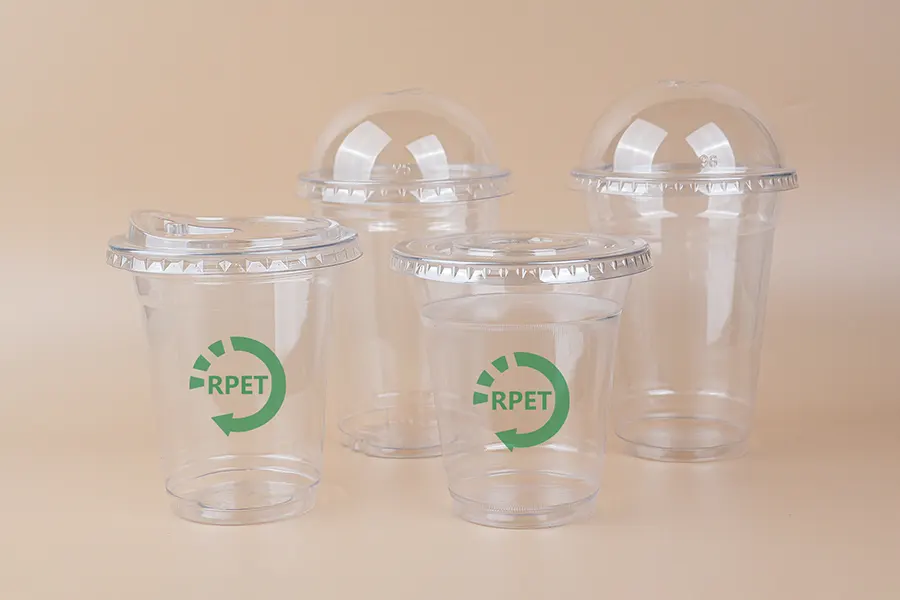
RPET means recycled polyethylene terephthalate, commonly used for clear cold-drink cups and other food-packaging formats. The commercial question is not simply whether recycled resin exists, but whether the supplier can connect the material source, processing controls, pagiging angkop sa pakikipag-ugnay sa pagkain, and finished-cup specification to your purchase order.
When we work with buyers, we separate three decisions: the recycled-content target, the appearance and performance required by the beverage, and the evidence needed for the market where the cups will be sold. That structure prevents a sustainability claim from hiding problems with clarity, rim stability, sealing, or delivery reliability.
How Do You Verify Recycled Content and Traceability?
A credible RPET cups manufacturer should explain how recycled material is identified, segregated, naproseso, and recorded through production. For buyers specifying GRS, request the certificate scope, transaction or chain-of-custody evidence where applicable, and a clear explanation of how the finished cup links to the approved material specification.
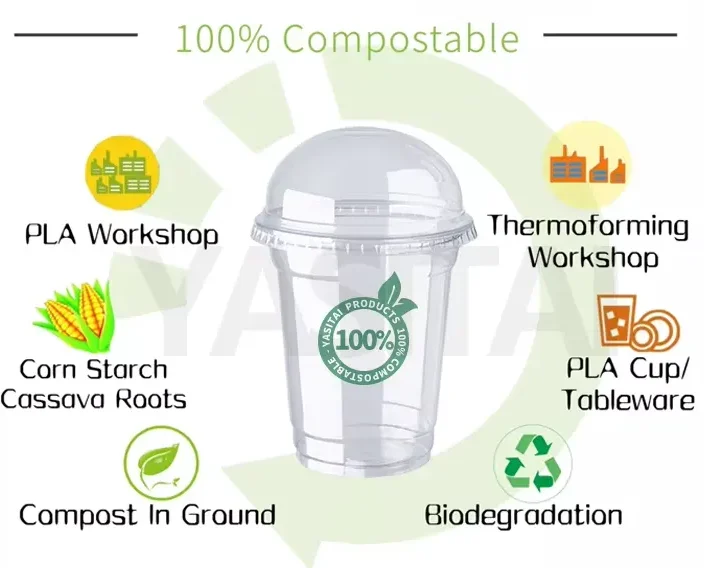
Our product portfolio includes GRS-oriented RPET cups alongside PET, Pp, Mga tasa ng PLA, mga kahon ng sushi, mga lalagyan ng pagkain, at mga tray. We keep environmental claims material-specific: BPI and DIN are relevant to the applicable compostable PLA range, while recycled-content buyers should use GRS documentation and independent test records for RPET.
| Evaluation point | Buyer question | Katibayan na hinihiling |
|---|---|---|
| Recycled content | What percentage and material grade are specified? | Material declaration and batch traceability |
| Sertipikasyon | Does the certificate cover this product and site? | GRS scope certificate and current audit record |
| Kaligtasan sa pagkain | How is contamination risk controlled? | BRC A+, ISO 22000, SGS, and food-contact documentation |
| Pagganap | Will the cup remain clear and stable in use? | Dimensional, hitsura, and filled-cup test reports |
How Does Factory Capacity Affect RPET Cup Quality and Delivery?
Sa Yasitai, aming 30,000 m² manufacturing facility operates more than 60 production machines and has a monthly output of 300 milyong piraso. High capacity is useful for national beverage programs because it supports planned replenishment, but buyers should still verify the exact line, tool, inspection plan, and carton specification for the RPET cup they are ordering.
Our BRC A+ rating and ISO9001 and ISO22000 systems place food safety and process control inside the manufacturing workflow. In practical terms, the purchasing team should expect documented incoming-material checks, controlled forming, rim and wall inspection, packing verification, and a pre-shipment sample—not only a factory tour or a sales promise.
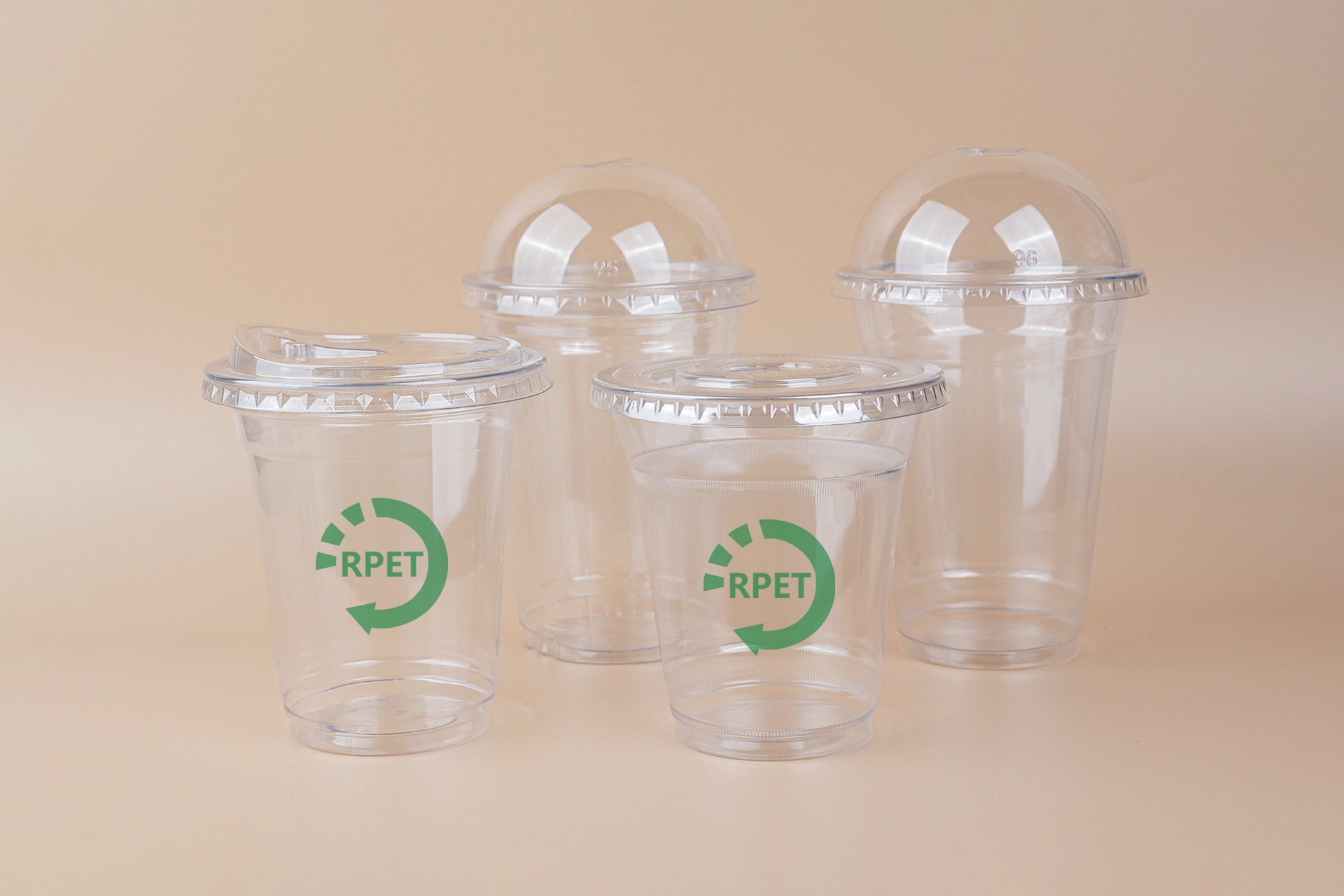
For a reusable specification, define the cup volume, diameter ng rim, profile sa dingding, clarity tolerance, printing requirements, pagpapares ng takip, dami ng karton, and storage conditions. A good RPET cups manufacturer will turn those requirements into an approved sample and a repeatable production reference, reducing disputes when the next container arrives.
Which RPET Cup Specification Fits Your Beverage Program?
Cold coffee, juice, tsaa ng gatas, and soft drinks do not create identical packaging demands. We review fill temperature, paghalay, lid compatibility, taas ng stacking, branding area, and the customer’s handling sequence before recommending a structure, because a cup optimized for visual clarity may need a different wall design from one optimized for high-speed filling.
For distributors, we also compare pallet density and carton utilization with forecasted order volume. A factory-direct program can reduce landed-cost surprises when the supplier confirms packaging dimensions early, and our monthly capacity gives buyers a basis for discussing seasonal volume without treating capacity as a substitute for a documented production plan.
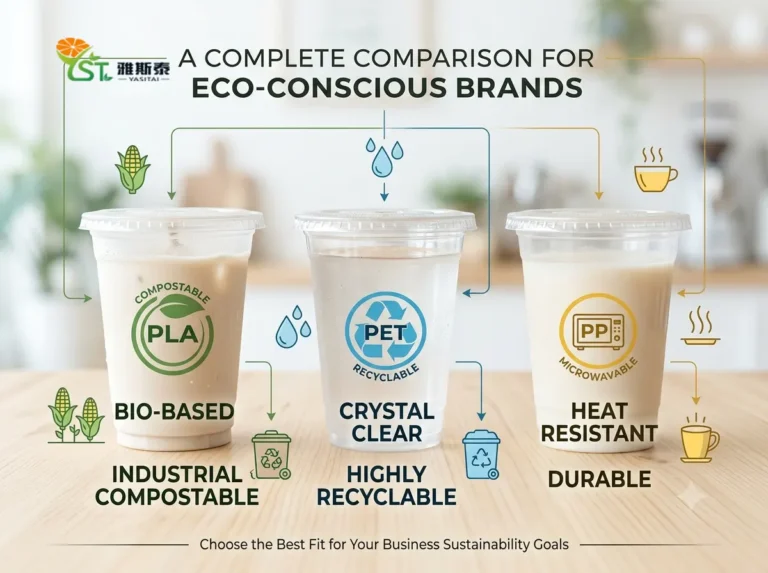
Galugarin ang aming RPET cup product category, suriin ang aming PET and related cup range, and compare the PLA cup versus PET cup guide. These internal resources help your team separate recycled-content goals from compostability decisions before requesting samples.
Checklist ng Pag-audit ng Supplier: 5 Mga Dokumentong Hihilingin Bago Pumirma ng Purchase Order
- GRS scope certificate: Confirm the certified site, product scope, and validity for the recycled-content claim.
- Pagpapahayag ng materyal at pakikipag-ugnay sa pagkain: Match resin grade, mga additives, nilalayong paggamit, and market requirements to the cup specification.
- BRCGS o katumbas na food-safety certificate: Check scope, site identity, and current status rather than accepting an undated badge.
- Third-party test report: Verify dimensions, hitsura, migration or food-contact requirements, and any performance claim relevant to the order.
- Ulat ng inspeksyon bago ang pagpapadala: Review the sample format and confirm that carton quantity, pag-label, and approved dimensions are checked before loading.
For independent context on recycled-material traceability, sumangguni sa Global Recycled Standard guidance from Textile Exchange. The same principle applies to every RPET cups manufacturer: a claim is more useful when its certificate, chain of custody, and finished-product specification can be checked together.
Mga Madalas Itanong
Q: Is RPET suitable for clear cold-drink cups?
RPET can be suitable for clear cold-drink formats when the resin, forming process, and food-contact requirements are matched to the application. We recommend an approved filled-cup sample and documentation review, because suitability should be verified for the exact product and market.
Q: What certification should I request from an RPET cups manufacturer?
Request the relevant GRS scope and traceability evidence, plus food-safety and food-contact documentation. Sa Yasitai, BRC A+ supports our food-packaging system, while BPI and DIN documentation belongs to the applicable compostable PLA line rather than being used as proof of recycled RPET content.
Q: Can recycled-content cups be customized with a logo?
Oo, OEM and ODM options can be evaluated for printing, cup profile, pagpapares ng takip, and packaging configuration. We confirm ink, likhang sining, materyal, and filled-product samples together so the approved branding result can be repeated during mass production.
Q: How can I reduce supply risk for a seasonal beverage launch?
Approve samples early, lock the technical specification, and align the forecast with production and shipping windows. Our 300-million-piece monthly capacity can support large programs, but the buyer should still request a written production schedule and pre-shipment inspection plan.
Need an auditable RPET cups manufacturer for your next beverage program? Contact our Yasitai team on WhatsApp with your volume, laki ng tasa, recycled-content target, and destination market so we can recommend samples and a documented quotation.