Lalagyan ng Sushi: 7 Mga Subok na Pagsusuri para sa Mga Bultuhang Mamimili
Kung papalitan mo ang mga nasirang takeaway pack, hindi pantay na mga takip, o late delivery, pagpili ng a lalagyan ng sushi Ang supplier ay isang desisyon sa pagbili—hindi isang packaging afterthought. Sa aming 24+ taon ng paggawa ng food-packaging, tumutulong kami sa mga grupo ng restaurant, mamamakyaw, at ang mga operator ng paghahatid ng pagkain ay tumutugma sa geometry ng container, materyal, pagganap ng sealing, at nagbibigay ng kapasidad sa paraan ng aktwal na paggana ng kanilang mga kusina.
Paano Dapat Itugma ng Sushi Container ang Iyong Delivery Workflow?
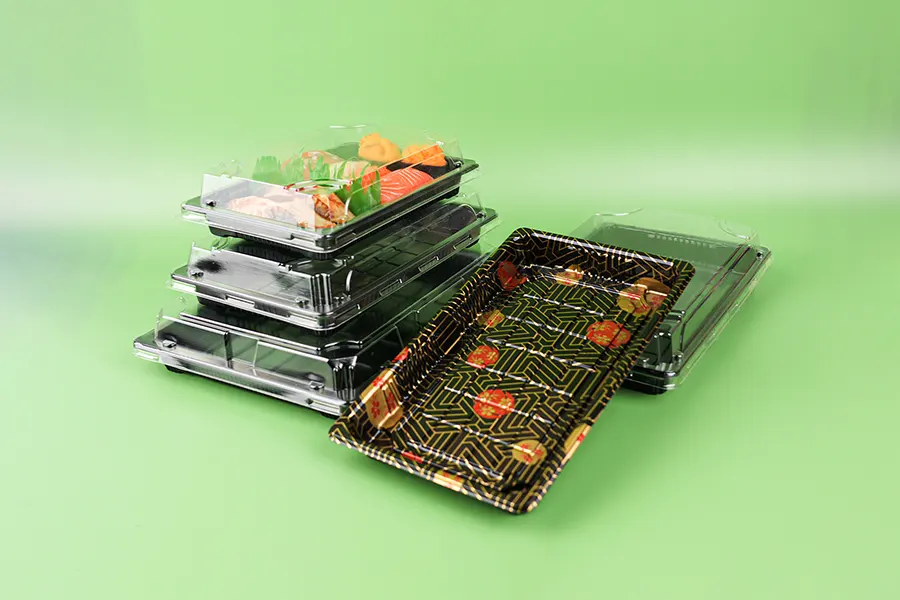
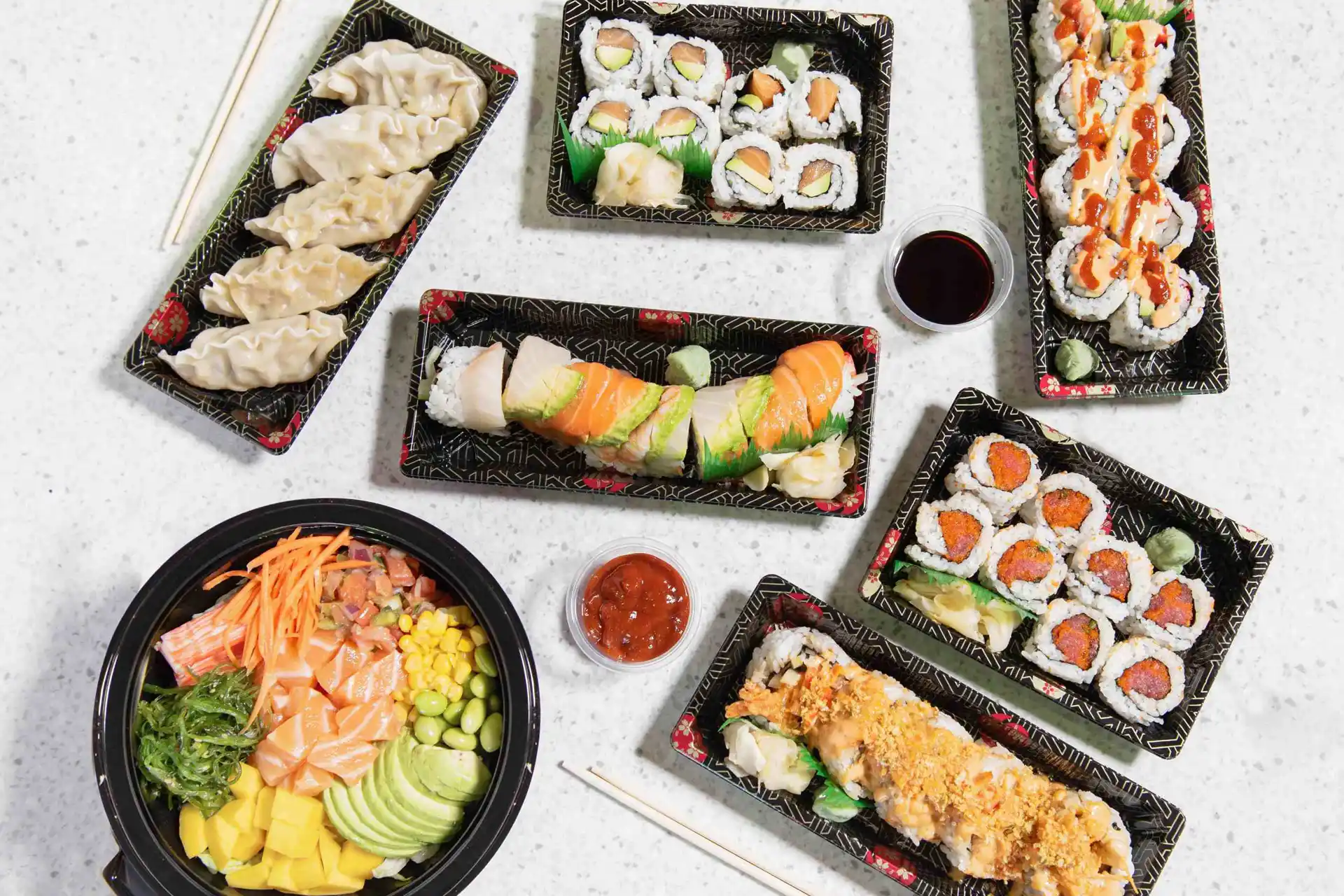
Dapat protektahan ng isang lalagyan ng sushi ang presentasyon sa panahon ng pagsasalansan, malamig na imbakan, naglo-load, at huling-milya na paghahatid. Nagsisimula kami sa menu: Ang mga makitid na roll ay nangangailangan ng anti-shift geometry, ang mga pinaghalong pinggan ay nangangailangan ng paghihiwalay, at ang mga sarsa ay nangangailangan ng interface ng takip na patuloy na nagsasara nang hindi dinudurog ang mga pinong topping.
Para sa mga operator na may mataas na volume, ang tunay na halaga ay hindi ang presyo ng yunit lamang. Isang takip na nakabaluktot, isang tray na kumikislap, o isang sukat na nag-aaksaya ng espasyo ng courier ay maaaring lumikha ng mga remake, mga refund, at mas mabagal na mga linya ng pag-iimpake, kaya inirerekomenda naming subukan ang kumpletong hanay ng lalagyan at takip sa ilalim ng iyong aktwal na mga kondisyon sa paghahatid.
Aling Materyal at Istraktura ang Dapat Gamitin ng Sushi Container?
Madalas na pinipili ang Clear PET kapag ang visibility ng produkto ang nagtulak sa desisyon sa pagbili, dahil makikita ng mga customer ang arrangement bago buksan ang pack. Ang aming PET, Pp, PLA, RPET, kahon ng sushi, at food-tray portfolio ay nagbibigay-daan sa mga mamimili na ihambing ang kalinawan, katigasan, mga kinakailangan sa temperatura, at mga claim sa pagpapanatili sa halip na pilitin ang isang materyal sa bawat aplikasyon.
Sinusuri namin ang istraktura ng dingding, lakas ng sulok, bisagra o lid fit, taas ng stacking, at ang contact surface sa paligid ng rim bago kumpirmahin ang a lalagyan ng sushi disenyo. Ang isang praktikal na sample na pagsubok ay dapat magsama ng paulit-ulit na pagbubukas, pinalamig na imbakan, isang filled-stack na pagsubok, at isang delivery simulation na may parehong mga label at pangalawang karton na gagamitin ng iyong team.
| Priyoridad ng mamimili | Ano ang dapat suriin | Rekomendasyon ng Yasitai |
|---|---|---|
| Pagpapakita ng produkto | Kalinawan, akma sa takip, pag-uugali ng paghalay | Gumamit ng malinaw na mga sample ng PET na may aktwal na menu |
| Episyente ng stacking | bakas ng paa, pugad, paggamit ng karton | Kumpirmahin ang punong-stack na taas bago mag-tool |
| Pag-angkin sa kapaligiran | Recycled o compostable na ebidensya | Humiling ng GRS, BPI, o dokumentasyon ng DIN para sa nauugnay na materyal |
| Kaligtasan sa pagkain | Traceability, kalinisan, mga kontrol sa pag-audit | Suriin ang BRC A+, ISO 22000, at mga tala ng SGS |
Anong Mga Pagsusuri sa Kalidad ang Dapat Mong Kailanganin Bago Mag-order?
Nagpapatakbo kami mula sa a 30,000 m² pasilidad na may higit sa 60 produksyon machine at isang buwanang output ng 300 milyong piraso. Ang sukat na iyon ay mahalaga kapag ang isang distributor ay nangangailangan ng parehong mga dimensyon at ang takip ay magkasya sa mga umuulit na order, ngunit ang sukat ay lumilikha lamang ng halaga kapag kinokontrol ng pabrika ang papasok na materyal, bumubuo, pagbabawas, inspeksyon, at pag-iimpake.
Ang aming BRC A+ food-safety rating ay sinusuportahan ng ISO9001, ISO22000, SGS, BPI, MULA SA, at mga kakayahan ng GRS sa mas malawak na portfolio ng produkto. Nalalapat ang BPI at DIN sa nauugnay na hanay ng compostable na PLA, habang ang dokumentasyon ng GRS ay ang katibayan na dapat hilingin ng mga mamimili para sa mga claim sa recycled-content; pinapanatili ng isang responsableng supplier ang mga claim na iyon na partikular sa materyal.
Bago aprubahan a lalagyan ng sushi, humingi ng dimensional tolerances, mga sample ng pagsasara, materyal na deklarasyon, at isang pre-shipment inspection sample. Inirerekomenda din namin na sukatin ang napunong pakete pagkatapos ng pinalamig na imbakan, dahil ang isang disenyo na mukhang tama na walang laman ay maaaring mag-iba kapag nag-condensate, timbang ng pagkain, at idinagdag ang stacked transport.
Paano Mapapanatili ng isang Pabrika ang Wholesale Sushi Container Supply na Stable?
Ang matatag na supply ay nagsisimula sa isang dokumentadong detalye, hindi larawan ng produkto. Kinukumpirma namin ang code ng item, mga sukat, materyal, pagpapares ng takip, dami ng karton, pattern ng papag, mga kinakailangan sa pag-print, at katanggap-tanggap na pagpaparaya bago ang mass production, pagbibigay sa mga koponan ng pagbili at kalidad ng isang reference point para sa bawat kargamento.
Ang aming automated production system at 300-million-piece monthly capacity ay nakakatulong sa amin na makuha ang seasonal volume para sa mga chain at distributor.. Nagpaplano pa rin kami ng produksyon laban sa hula ng mamimili, dahil ang maaasahang paghahatid ay nakasalalay sa mga aprubadong sample, pagkakaroon ng hilaw na materyal, timing ng inspeksyon, at makatotohanang mga window sa pagpapadala—hindi ang mga claim sa kapasidad lamang.
Para sa mas malawak na pagpili, suriin ang aming kategorya ng produkto ng lalagyan ng sushi, ihambing ang magkakaugnay Mga opsyon sa RPET cup na nakatuon sa GRS, at basahin ang aming gabay sa pag-iimpake ng sushi sa takeaway. Tinutulungan ng mga page na ito ang mga procurement team na ikonekta ang isang pagpipilian sa container sa mas malawak na packaging program.
Checklist ng Pag-audit ng Supplier: 5 Mga Dokumentong Hihilingin Bago Pumirma ng Purchase Order
- Deklarasyon sa pakikipag-ugnay sa pagkain: I-verify ang eksaktong dagta, mga additives, at nilalayong gamitin para sa lalagyan at takip.
- BRCGS o katumbas na food-safety certificate: Kumpirmahin ang saklaw at kasalukuyang katayuan ng pag-audit, hindi lamang ang logo sa isang brochure.
- Ulat ng dimensional na inspeksyon: Suriin ang rim, bisagra, lukab, at pagsasalansan ng mga sukat laban sa naaprubahang sample.
- Talaan ng kakayahang masubaybayan ng materyal: Para sa RPET o PLA claim, itugma ang batch na dokumentasyon sa nauugnay na GRS, BPI, o katibayan ng DIN.
- Sampol ng inspeksyon bago ang pagpapadala: Patunayan ang pagsasara, hitsura, bilang ng karton, at lagyan ng label ang impormasyon bago ipadala.
Para sa isang independiyenteng sanggunian sa mga sistema ng kaligtasan ng packaging, suriin ang Pamantayan ng BRCGS Packaging Materials. Gumamit ng parehong paraan ng unang dokumento sa sinumang supplier, pagkatapos ay ihambing kung gaano kalinaw ang pagkakakonekta ng bawat pabrika sa saklaw ng certificate nito sa iyong aktwal na order ng lalagyan ng sushi.
Mga Madalas Itanong
Q: Maaari bang i-customize ni Yastai ang isang lalagyan ng sushi para sa chain ng restaurant?
Oo, sinusuportahan namin ang pagbuo ng OEM at ODM para sa mga sukat, mga cavity, pagpapares ng takip, at mga kinakailangan sa pagba-brand. Kinukumpirma ng aming engineering team ang sample laban sa mga kondisyon ng stacking at paghahatid, at dapat aprubahan ng mga mamimili ang isang pagsubok na puno ng pakete bago gamitin.
Q: Paano ko ibe-verify ang isang claim sa kapaligiran sa isang lalagyan ng pagkain?
Humingi ng katibayan na partikular sa materyal sa halip na isang pangkalahatang eco statement. Nagbibigay kami ng mga nauugnay na tala ng GRS para sa recycled na nilalaman at BPI o DIN na dokumentasyon para sa naaangkop na compostable na linya ng PLA, habang dapat i-verify ng mamimili ang saklaw ng certificate at pagkakakilanlan ng produkto.
Q: Ano ang dapat kong subukan bago bumili ng pakyawan na mga lalagyan ng sushi?
Pagsasara ng pagsubok, pugad, punong-stack na lakas, pinalamig na imbakan, paghalay, at pangangasiwa ng paghahatid kasama ang aktwal na pagkarga ng pagkain. Inirerekomenda namin ang pag-record ng mga dimensyon at visual na resulta upang ang naaprubahang sample ay maging sanggunian para sa bawat paulit-ulit na pagpapadala.
Q: Maaari bang panatilihin ng isang malaking order ang parehong kalidad sa mga batch?
Magagawa ito kapag kinokontrol ng supplier ang materyal at mga sukat laban sa isang aprubadong detalye. Ang aming 60-plus-machine operation at 300-million-piece monthly capacity ay ipinares sa mga dokumentadong hakbang sa produksyon at inspeksyon, kung aling mga mamimili ang dapat kumpirmahin sa pamamagitan ng mga sample na ulat.
Handa nang subukan a lalagyan ng sushi laban sa iyong menu, ruta ng paghahatid, at pakyawan pagtataya? Magmensahe sa aming Yasitai team sa WhatsApp para sa sample na gabay, materyal na dokumentasyon, at isang factory-direct quotation na iniayon sa iyong packaging specification.