Why Food-Grade Certification Is Essential for Safe Cups
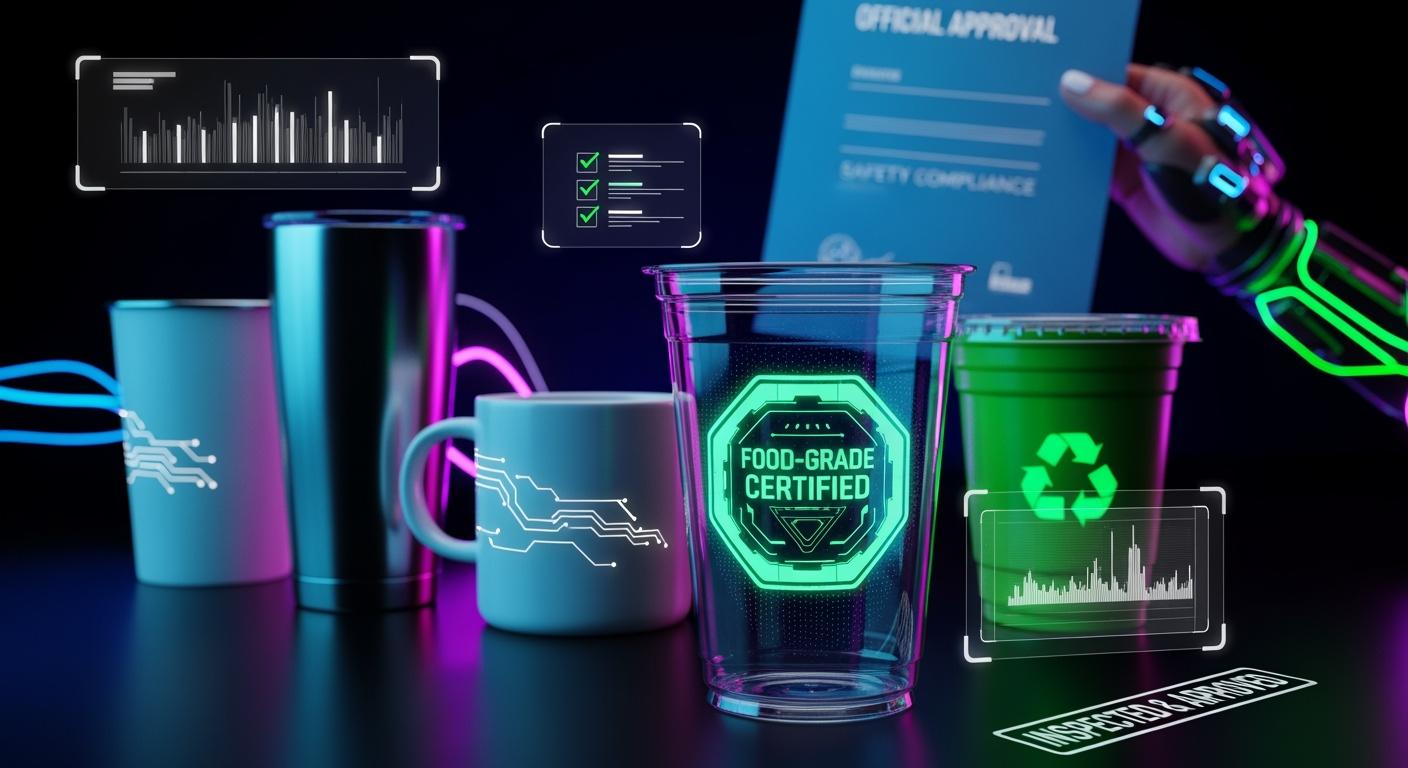
You want to stay healthy and keep your drinks safe. Food-grade certified cups protect you from bad chemicals. These cups follow strong safety rules. Picking food safe cups helps you avoid germs and toxins. Look at the table below to see why food-grade cups are important:
Feature | Food-Grade Cups | Non-Certified Cups |
|---|---|---|
Chemical Safety | Do not leach harmful substances | May leach unsafe chemicals |
Regulatory Oversight | Strictly regulated | Often unregulated |
Designed for Food Contact | Yes | No |
You trust brands like Shenzhen Yasitai Packaging Products Co., Ltd. They offer certified and eco-friendly choices. Many people want safe and clean cups now. Certifications help you feel sure about what you buy.
Key Takeaways
Pick food-grade certified cups to keep away bad chemicals and toxins. – Check for clear certification marks like FDA or ISO on the package to make sure it is safe. – Know that food-grade and food-safe are not the same, but both matter for your health. – Trust brands that follow strict safety rules and show proof of their certifications. – Stay away from non-food-grade cups to lower health risks from chemicals and microplastics.
What Does Food-Grade Certified Mean?
Definition of Food-Grade
You might see food grade on lots of things. But what does it mean? Food grade means the material is safe for food and drinks. Food-grade materials do not let out bad chemicals into your food or drink. These materials stay strong when used with hot or cold stuff. You can clean food-grade materials many times. They do not break or let germs grow. The surfaces are smooth and not rough. This stops bacteria and dirt from sticking.
Food-grade certification is a safety check by trusted groups. These groups make sure food grade products do not leak dangerous stuff into your food. They test products in heat and cold to keep you safe. The FDA controls what materials can touch food in the U.S. The FDA uses special rules to decide what is safe for food contact. Other groups like the CPSC also help keep you safe. They limit bad chemicals in products, especially for kids.
Here is a quick look at who sets food grade standards:
Organization | Role |
|---|---|
FDA | Makes sure food contact materials are safe under the FFDCA. They focus on things that might get into food. |
CPSC | Keeps people safe from risky products. They set limits for dangerous stuff in items for children. |
You may hear food-safe too. Food-grade and food-safe are not the same. Food-grade means the material is safe for food. Food-safe means the finished product is safe to use with food. Both matter, but food-grade comes first to keep cups safe.
Why Food-Grade Certified Matters for Cups
You use cups every day for drinks. You want to be sure your cups are safe. Food-grade certified cups help you feel calm. These cups follow strict rules made by experts. They go through many tests to make sure they do not leak chemicals or break.
Food-grade cups use only approved materials. These materials must pass tough safety rules. Picking food-grade certified cups lowers your risk of getting sick from germs or chemicals. You also help keep your family and friends safe.
Here are some main benefits of food-grade certified cups:
Benefit | Description |
|---|---|
Makes sure materials follow rules from groups like the FDA or EFSA. | |
Consumer confidence | Certification helps people trust the products they use. |
Risk reduction | Following rules lowers the chance of contamination and recalls. This protects people and brands. |
You can trust food grade products because they care about safety and quality. Brands that use food grade standards earn trust from customers. Using food-grade certified cups also helps you follow export and store rules if you have a business.
It is important to know food-grade vs. food-safe. Food-grade means the material is safe for food. Food-safe means the finished cup is safe to use. Both help keep you healthy.
When you choose food-grade certified cups, you pick safety, trust, and quality. You help keep yourself and others safe every time you drink.
Food-Grade Materials and Safety Standards

Key Food-Grade Materials Used in Cups
You find many food-grade materials in cups today. These materials help keep drinks safe and fresh. Food-grade plastic, PET, PP, and PLA are common choices. PET and PP can handle heat and chemicals. PLA breaks down and is good for the environment. Food-grade certified cups also use food-safe stainless steel, silicone, and glass. These materials do not mix with food or drinks. They stop contamination and make cleaning simple.
Here is a table that lists food-grade materials and their safety features:
Material Type | Safety Features | Common Uses |
|---|---|---|
Food-Grade Stainless Steel | Does not rust, does not react, easy to clean | Food containers, utensils |
Food-Grade Plastics (PET, PP, PLA) | No bad chemicals, works in hot or cold places | Cups, trays, containers |
Food-Grade Silicone | Safe, handles heat, bends easily | Seals, bottle nipples |
Food-Grade Glass | No holes, no chemicals, safe with sour foods | Jars, bottles |
You see more brands using packaging that breaks down or can be composted. Many companies use food grade packaging to meet rules and help the planet.
Safety and Quality Regulations
You want your cups to follow strong safety and quality rules. FDA rules set standards for materials that touch food. These rules make sure certified products do not leak bad chemicals. International rules like ISO 9001 and BRC check every step, from start to finish. These certifications show that makers follow food grade and quality rules.
Here is a table of important certifications and what they promise:
Certification | What It Guarantees | My Perspective |
|---|---|---|
FDA | Materials are safe for food in the US | Safe paper, coating, and ink |
BRC | Checks safety, cleanliness, and quality in making cups | Looks at clean steps |
ISO 9001 | Quality system for making things the same way | Makes sure every cup is good |
Shenzhen Yasitai Packaging Products Co., Ltd has ISO22000, ISO9001, QS, and SGS certifications. These show they follow food-safe and food grade rules.
Testing and Compliance Processes
You depend on strong tests to prove food-grade status. Makers must keep records, collect samples, and use trusted labs. Tests include checking for chemical movement and looking for bad substances. You look at lab results to find unsafe chemicals. If something is wrong, you fix it and test again. Makers test again when materials change or after some time to keep certification.
You learn that food-grade and food-safe are both important. Food-grade means the material is safe. Food-safe means the finished product is safe to use. Both help protect you and your family. Shenzhen Yasitai Packaging Products Co., Ltd uses careful testing to keep cups safe and follow rules.
Tip: Always look for food-grade marks and ask about tests before buying cups. This helps you pick safe and good food packaging.
Verifying Food-Grade Cups
Identifying Food-Grade Certification Marks
You need to check if your cups are food grade. Many safe cups have special marks on their boxes. These marks help you find food-grade cups fast. Look for these common marks:
FSC
ISO
BRC
Flustix PLASTIC FREE
OK-Compost EN13432
You might also see the SGS Food Contact Product Certification Mark. This mark means the cup passed tough safety tests. These marks show the cup follows food safety and quality rules. When you see these marks, you know the cup is food grade.
Check if the logos look clear and easy to read. Real food grade cups have sharp, neat marks. Fake products often have blurry or faded logos. You should look for spelling or grammar mistakes on the label. Mistakes can mean the cup is not really food safe. Price can also tell you something. Very cheap cups may not follow safety rules.
Steps to Confirm Food-Grade Status
You can use easy steps to check if your cups are food grade. These steps help you stay safe and avoid bad cups.
Find a clear “food grade” label from the seller.
Check the plastic type. Safe types are #1, #2, #4, or #5. These are common food grade plastics.
Make sure the cup does not use unsafe dyes or colors.
Look for BPA-free certification for extra safety.
Check the box for certificates or tags about food safety.
Feel the cup. Real food-grade cups feel strong and well-made.
Read reviews that talk about safety, not just looks.
You can ask the seller for proof of food grade. Shenzhen Yasitai Packaging Products Co., Ltd gives fast help and shares their certificates. You can see they care about safety and quality in their certifications:
Certification/Standard | Description |
|---|---|
ISO 9001:2015 | Quality management systems |
ISO 14001:2015 | Environmental management systems |
ISO 22000:2005 | Food safety management systems |
FDA | Compliance with food safety regulations |
BPI | Biodegradable Products Institute certification |
DIN EN-13432 | European standard for compostable packaging |
QS | Quality Safety certification |
Tip: Always ask for certificates before you buy food-grade cups. Good sellers like Yasitai answer fast and give clear information about food grade packaging and safety.
Risks of Non-Food-Grade Cups
Health Hazards of Non-Certified Cups
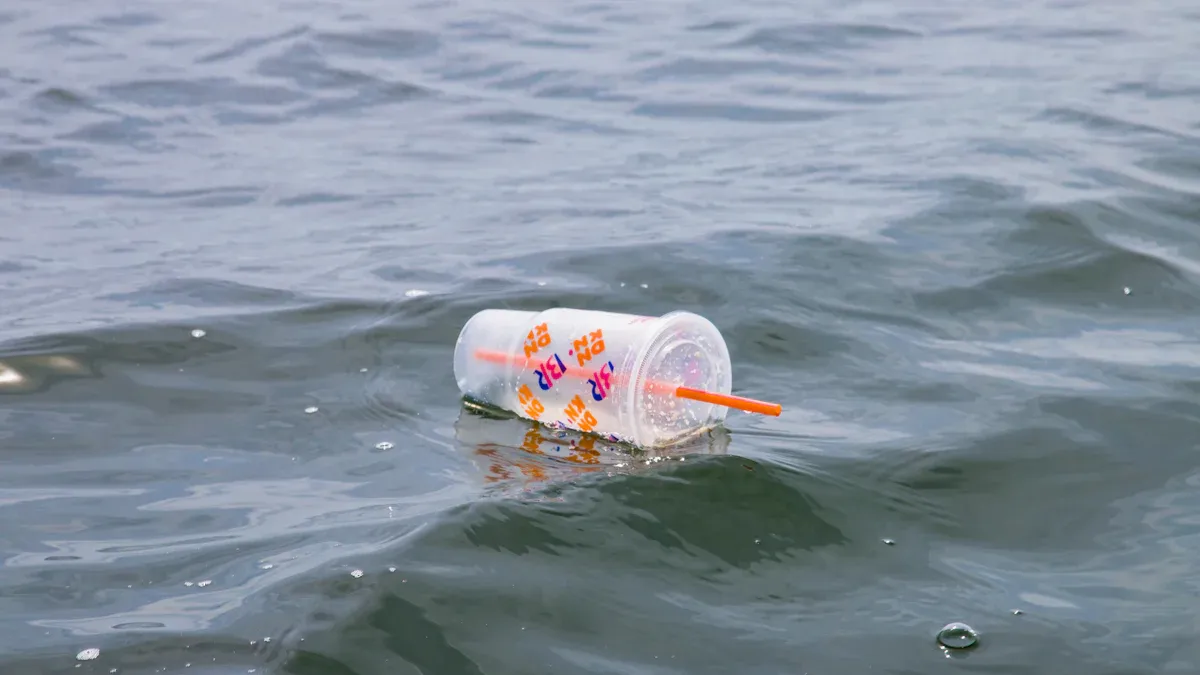
Using cups that are not food grade can be dangerous. These cups might let out bad chemicals and tiny plastics into your drinks. Studies found that some cups can release thousands of plastic bits into hot drinks. These bits can stay in your body and hurt your health after a while. Most paper cups have a plastic layer that breaks down when hot. This can let out microplastics and chemicals. If you use these cups every day, you might get stomach problems or changes in your hormones.
You could also get exposed to toxic stuff. Some cups that are not food grade have heavy metals like arsenic, cadmium, nickel, and lead. These metals can get into your drink, especially if the cup holds hot drinks for a long time. Some cups made from bamboo have toxic resin. Other cups can let out organic chemicals like phthalates. These chemicals can mess with your hormones and hurt your body.
Here is a table that lists health dangers from non-food-grade cups:
Health Hazard | Source |
|---|---|
Leaching of microplastics | Paper and plastic cups |
Toxic chemicals (As, Cd, Ni, Pb) | Polyethylene lining of paper cups |
Heavy metals | Contact duration with foodstuffs |
Organic compounds (phthalates) | Disposable paper and plastic packing |
Some cups say they are eco-friendly but may not be safe. Bamboo cups can have toxic resin. Plastic bits can still get into your drinks.
Impact on Safety and Quality
Cups that are not food grade can make your drinks unsafe. Bad materials can leak chemicals into your drink. This can change how your drink tastes and smells. You cannot trust your drink if the cup is not food grade. Unsafe cups can break or crack easily. This can cause spills and accidents.
You want your cups to keep your drinks safe. Food-grade certified cups use safe materials. These cups protect you from bad chemicals. They help keep your drinks fresh and safe. Picking food-grade cups helps you and others stay safe.
Here is a table that shows how unsafe cups affect safety and quality:
Evidence | Explanation |
|---|---|
Non-food-grade cups may leach harmful substances | Direct risk to your health, impacting safety. |
Importance of food-grade materials and coatings | Quality of beverages drops when unsafe materials are used. |
Certifications matter | You can trust the safety of certified cups, which helps brands. |
Tip: Always pick cups made from food grade and food-safe materials. This helps you stay healthy and keeps your drinks safe and good.
You help your health when you pick food grade cups. Food-grade certified cups stop bad chemicals from getting in your drinks. These cups also help keep food safe. The table below shows how FDA and BRC certifications work to keep materials safe:
Evidence Description | Type of Certification | Role in Consumer Health |
|---|---|---|
FDA certification checks if materials are safe for food contact. | FDA | Keeps people safe by making sure food contact materials are okay. |
BRC certification checks for clean and safe steps in making food. | BRC | Helps keep food safe and stops contamination. |
Migration testing looks for chemicals that might move into food. | Migration Testing | Stops bad chemicals from getting into food and keeps you healthy. |
Check for food grade labels before you buy cups. Look for FDA approval on the package. You can trust Shenzhen Yasitai Packaging Products Co., Ltd for safe cups. Their food grade cups follow strict safety rules. You can enjoy your drinks and feel safe every time.
FAQ
What does food-grade certification mean for cups?
Food-grade certification shows your cup is made with safe stuff. It keeps you away from bad chemicals. Trusted groups check and approve these cups for safety.
How can you check if a cup is food-grade certified?
You should look for clear marks like ISO, FDA, or SGS on the box. You can ask the seller for certificates. Brands such as Shenzhen Yasitai Packaging Products Co., Ltd give proof and help fast.
Why should you choose cups from certified suppliers?
Certified suppliers follow strong safety rules. You get cups that keep you healthy. You can trust the quality and avoid unsafe materials.
Are eco-friendly cups always food-grade?
Eco-friendly cups are not always food-grade. You must check for food-grade certification. Brands like Yasitai have cups that are both eco-friendly and safe.