Biodegradable Coffee Cups: Essential Cafés Sourcing Gu
If your café brand is navigating municipal single-use plastic bans, transitioning drinkware without disrupting daily service is a critical operational priority. Sourcing certified biodegradable coffee cups requires evaluating thermal stability, commercial composting certifications, and crystal-clear clarity for iced beverages. In our 24 years of packaging manufacturing at Yasitai, we help coffee chains implement fully compliant sustainable drinkware programs.
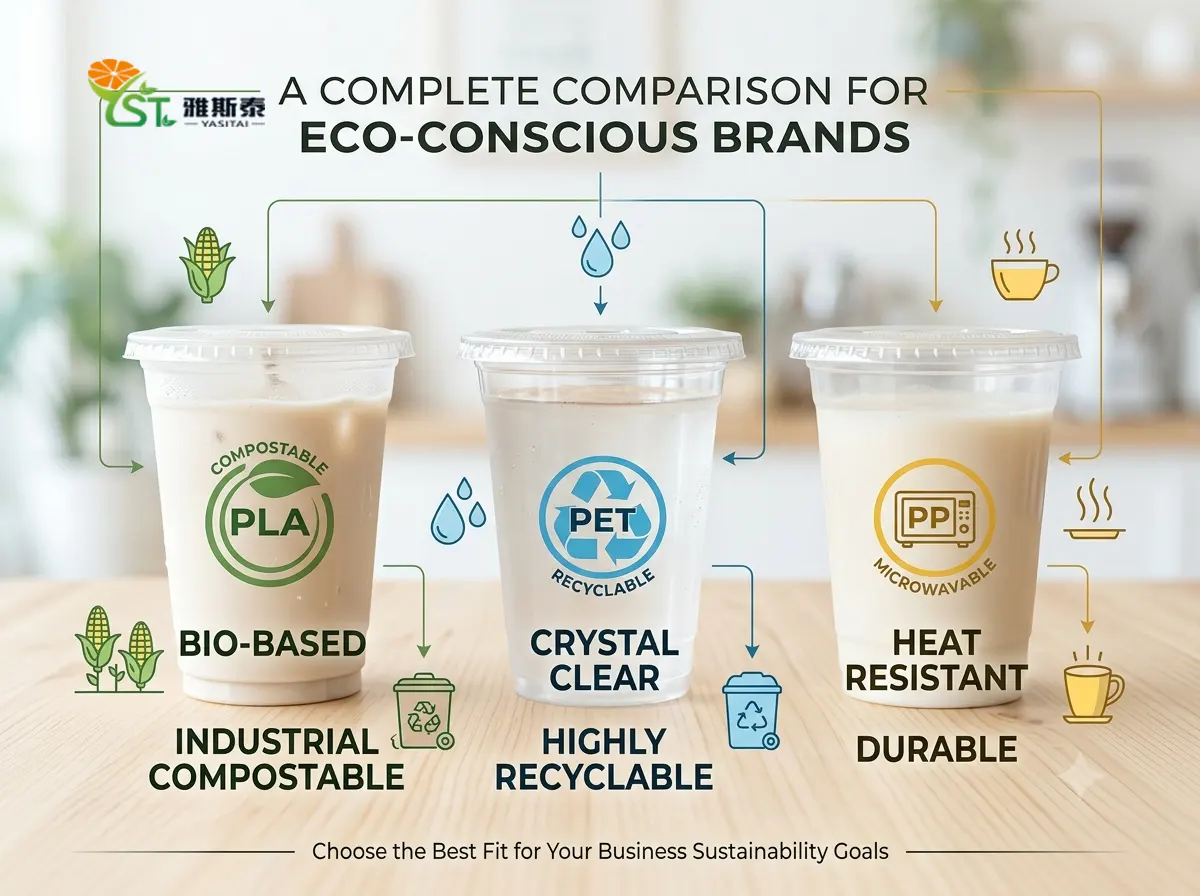
Understanding Polylactic Acid in Biodegradable Coffee Cups
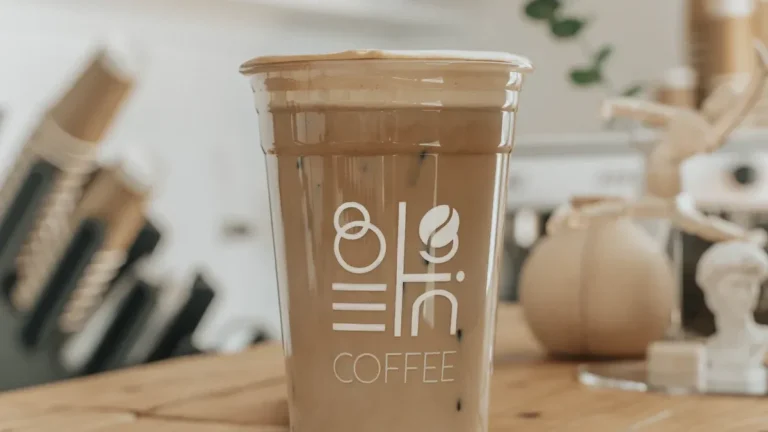
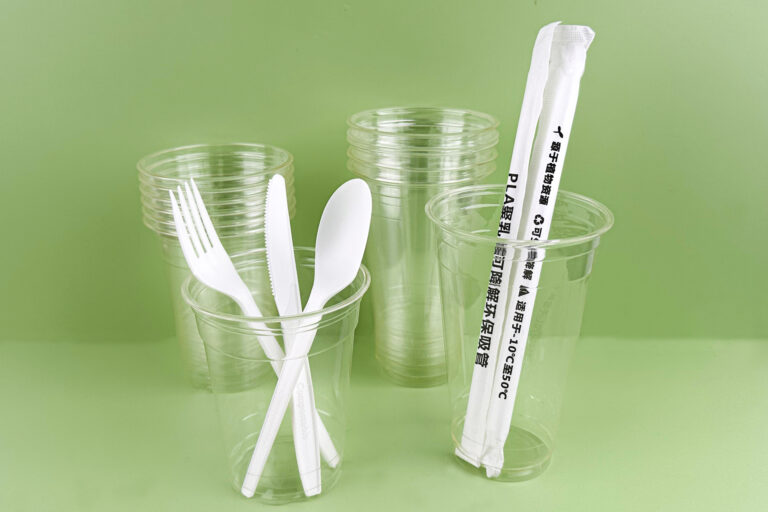
Modern plant-based drinkware relies primarily on Polylactic Acid (PLA) derived from fermented plant starch such as corn or cassava. Unlike petroleum-derived polymers, high-grade PLA resin breaks down into water, biomass, and carbon dioxide in commercial composting facilities within 180 days. In our thermoforming cleanrooms, we process high-purity biopolymer resins to maintain exceptional transparency for cold brew drinks.
When selecting drinkware for busy specialty cafés, beverage temperature requirements determine the ideal biopolymer specification. Standard PLA formulations perform reliably for chilled iced lattes, nitro brews, and smoothies up to 45 degrees Celsius. For hot espresso drinks exceeding 85 degrees Celsius, crystallized CPLA lids and lined paper cups provide the necessary thermal rigidity.
Performance Comparison: Biodegradable Coffee Cups vs Conventional PET
Café procurement managers often weigh environmental benefits against material handling characteristics and storage shelf life. While virgin PET offers superior heat threshold flexibility up to 65 degrees Celsius, certified PLA provides a verifiable zero-fossil-fuel carbon footprint. Managing proper warehouse storage away from direct sunlight protects biopolymer integrity across all seasons.
Selecting the appropriate biopolymer requires matching cold resistance with environmental goals. The comparative matrix below outlines key technical performance attributes across commercial foodservice drinkware categories.
| Property / Metric | PLA Bioplastic | Virgin PET | Recycled RPET (GRS) |
|---|---|---|---|
| Raw Material Origin | 100% Plant starch (Corn/Sugar) | Petroleum crude oil | Post-consumer recycled bottles |
| Commercial Compostability | Certified (EN 13432 / ASTM D6400) | Non-compostable (Recyclable #1) | Non-compostable (Recyclable #1) |
| Max Safe Cold Temp | 45°C (113°F) | 65°C (149°F) | 65°C (149°F) |
| Optical Light Transmission | > 91% (Glass clarity) | > 92% (High gloss) | > 88% (Slight tint) |
Global Certification Standards for Biodegradable Coffee Cups
To avoid greenwashing penalties and customs clearance delays, international foodservice operators must verify authentic third-party certification logos. In North America, BPI certification confirms compliance with ASTM D6400 commercial composting disintegration standards. In European markets, DIN CERTCO and TÜV Austria certifications validate conformance with the EN 13432 industrial composting standard.
For detailed background on international regulatory standards, café owners can review our guide on compostable cup certifications across major export markets. You can also explore our technical breakdown comparing PLA vs PET cups to determine the best material for your regional recycling infrastructure.
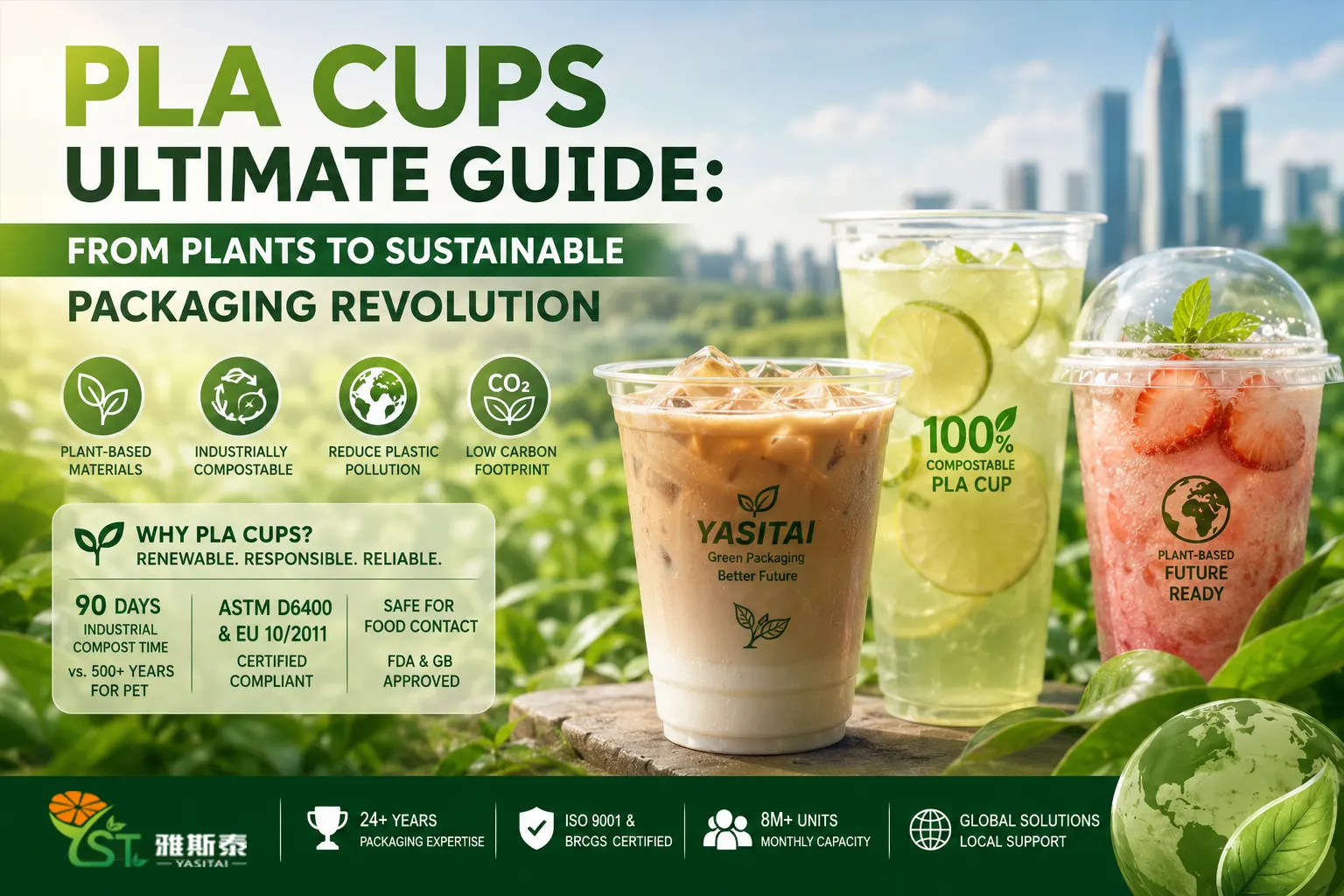
Manufacturing Excellence and Cleanroom Standards at Yasitai
At Yasitai, our 30,000 square meter factory operates over 60 high-speed thermoforming machines with an aggregate monthly capacity of 300 million pieces. Our entire production workflow is audited under ISO9001, ISO22000, and holds the prestigious BRC A+ global food safety certification. In our laboratory dissolution tests, our PLA biopolymer formulations show zero migration of microplastics or harmful plasticizers.
We provide full OEM custom branding services using food-safe soy-based inks that do not inhibit compost degradation. Custom printed drinkware builds immediate brand loyalty among environmentally conscious coffee drinkers. Our automated sleeve packaging ensures sanitary handling from our cleanroom directly to your café counter.
Supplier Audit Checklist: 5 Documents to Request Before Signing a Purchase Order
- BPI / DIN CERTCO Certification Certificates: Confirms genuine compostability under industrial processing conditions.
- BRCGS Grade A+ Food Safety Audit Report: Validates hygienic manufacturing controls, pest prevention, and dust-free packaging.
- Heavy Metal and Fluorochemical (PFAS-Free) Test Reports: Ensures cups and lids meet stringent EU and US food contact bans.
- Thermal Distortion and Rim Rigidity Test Logs: Verifies that cups maintain dimensional stability during cold beverage dispensing.
- Container Loading and Transit Temperature Plan: Guarantees reefer or temperature-controlled ocean freight during summer shipping seasons.
Frequently Asked Questions About Biodegradable Coffee Cups
Q: Will biodegradable coffee cups melt or soften when filled with iced drinks?
No, certified PLA cold cups maintain full structural integrity with iced beverages between minus 20 degrees Celsius and 45 degrees Celsius. At Yasitai, our thermoformed PLA cups undergo rigorous stress tests with ice water for 24 hours with zero leakage. When sourcing, always request verified thermal distortion testing records for your specific climate conditions.
Q: What is the shelf life of unused biodegradable coffee cups in café storage?
Stored in dry warehouse conditions below 40 degrees Celsius away from direct sunlight, PLA cups maintain pristine quality for over 18 months. Our heavy-duty moisture-barrier cartons protect cups from ambient humidity during storage and transit. We recommend rotating stock on a first-in first-out basis to optimize inventory freshness.
Q: Can cafés obtain custom logo printing on biodegradable coffee cups?
Yes, we provide high-definition custom printing using certified eco-friendly inks that comply with compostable disintegration rules. Our design team helps café chains create eye-catching branded packaging with quick sample turnaround. You can reach out directly via our contact page to receive complimentary sample kits.
Verifying third-party test reports protects café operators from misleading environmental claims. To learn more about commercial compostability standards and testing methodologies, visit the official Biodegradable Products Institute (BPI) directory.